Wearable Data Streams Reshaping Custom Wager Options Across Licensed Mobile Platforms
Written by Devon Müller · Jul 17, 2026
Wearable Data Streams Reshaping Custom Wager Options Across Licensed Mobile Platforms
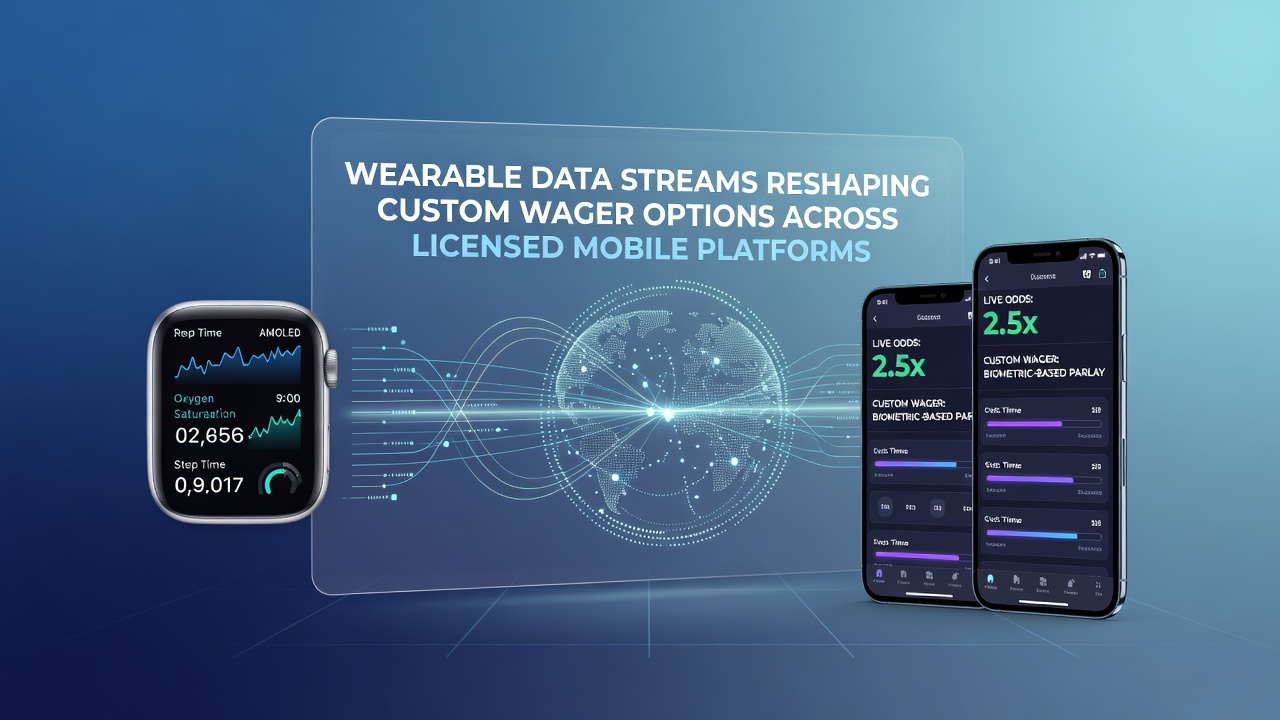
licensed mobile platforms have started incorporating streams from consumer wearables such as smartwatches and fitness trackers to generate individualized wager parameters, and this integration draws on continuous inputs like heart rate variability, movement metrics, and sleep patterns that update throughout the day. Operators in regulated markets connect these data feeds directly to backend systems, allowing bettors to select options that adjust in real time based on the incoming physiological signals rather than relying solely on historical performance records or static odds.
Data Integration Mechanics Across State-Licensed Apps
Developers link wearable APIs to mobile betting interfaces through secure protocols that comply with existing data protection standards, and once connected the platforms pull aggregated readings every few seconds during active sessions. This process lets users create wagers tied to personal thresholds, for instance setting payout multipliers that trigger only when their tracked activity level exceeds a certain value during a live event window. Studies from university research groups show that such connections increase the volume of micro-customized bets placed per session because the options remain dynamic instead of fixed at the moment of placement.
Platforms operating under licenses in multiple U.S. states have documented rising adoption rates for these features since early 2025, and figures reveal that a growing share of active accounts now sync at least one wearable device. The synchronization occurs through encrypted channels that strip personally identifiable information before the data reaches the betting engine, which then applies the values to pre-approved wager templates. Observers note that this approach keeps operations within the boundaries set by state gaming commissions while still expanding the range of available choices.
Expansion of Custom Wager Types Driven by Biometric Inputs
Custom wagers built around wearable streams include performance-linked propositions where bettors stake on their own biometric milestones coinciding with sports outcomes, and these differ from traditional prop bets because the triggers update continuously rather than relying on final statistics alone. Licensed operators report that users frequently combine heart rate zones with team scoring events to form layered outcomes, creating payout structures that shift as the wearable data fluctuates during the contest. Research indicates this layering produces more granular risk profiles than standard multi-leg bets, allowing participants to refine selections mid-event without placing entirely new wagers.
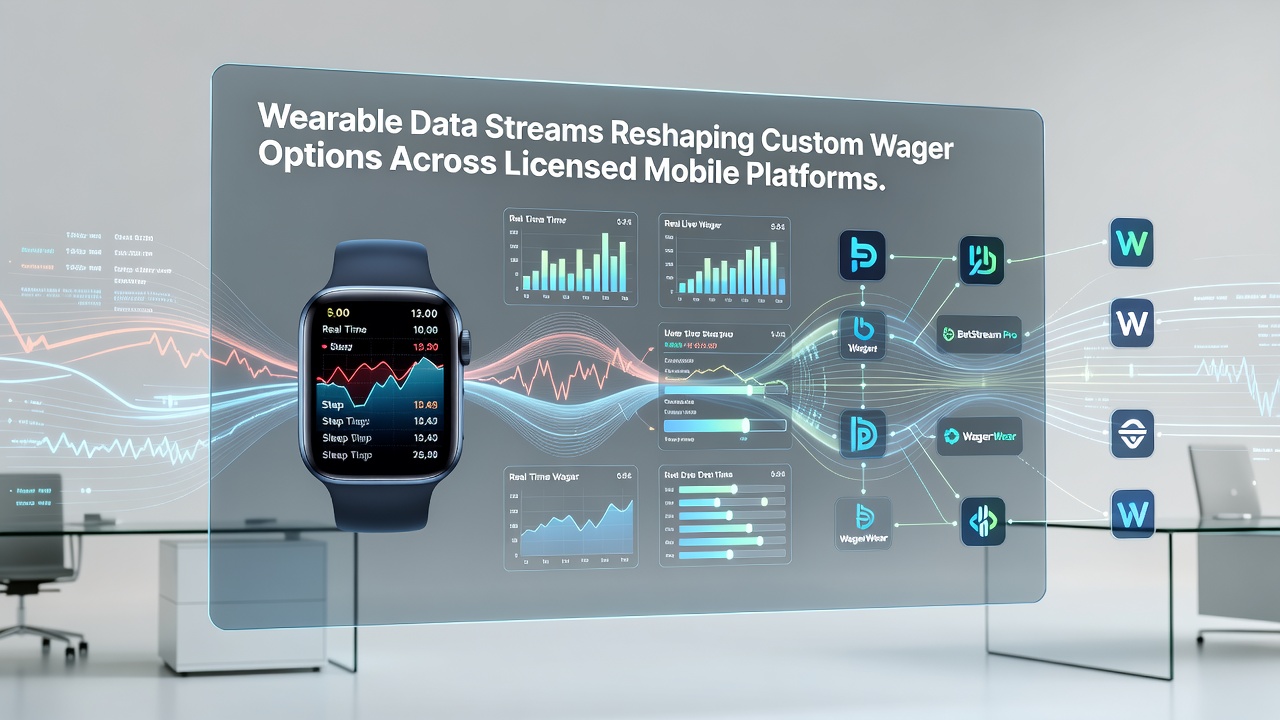
By July 2026 several major apps had rolled out expanded libraries of these biometric options, and usage data shows increased engagement during evening hours when wearable readings tend to reflect post-work activity patterns. The adjustments occur automatically once the initial parameters are set, with the platform recalculating implied probabilities based on live streams and displaying revised payout values directly in the interface. Industry reports highlight that this automation reduces the time between data capture and wager confirmation, supporting higher throughput on mobile networks without additional manual input from users.
Regulatory Frameworks Governing Wearable Data Use
State regulatory bodies require operators to maintain audit trails for every data point incorporated into wager calculations, and these trails must demonstrate that only licensed, anonymized streams influence outcomes. Agencies in regions such as Nevada and New Jersey have issued guidance specifying encryption standards and retention limits for biometric information, ensuring that platforms cannot store raw readings beyond the duration of an active betting session. Compliance teams conduct regular reviews to verify that custom wager engines do not inadvertently create advantages outside the approved mathematical models submitted during licensing.
International comparisons appear in reports from bodies like the iGaming Ontario authority, which tracks how wearable integration affects responsible gaming controls across different jurisdictions. Those analyses compare opt-in rates and session length patterns between markets that permit biometric customization and those that restrict it to non-personal data sources. Findings indicate that jurisdictions with clear data-handling rules experience steadier growth in mobile platform registrations tied to wearable features.
Platform Implementation Patterns and User Engagement Metrics
Licensed operators segment their offerings so that wearable-enabled wagers remain available only to verified accounts that have completed identity checks and opted into data sharing, and this segmentation appears in both iOS and Android deployments. Engagement statistics compiled by trade associations show that users who connect wearables place a higher proportion of in-play bets compared with those who rely on manual entry alone. The difference stems from the continuous availability of updated parameters, which keeps the mobile interface active and responsive throughout events.
One documented case involved a regional operator that introduced heart-rate-linked prop options during summer leagues, and account activity logs revealed a measurable uptick in repeat sessions within the first month of deployment. The operator attributed the increase to the novelty of wagers that responded to individual physiological changes rather than external statistics alone. Similar rollouts in other licensed markets followed comparable timelines, with backend systems calibrated to handle simultaneous streams from multiple device manufacturers without latency spikes.
Conclusion
Wearable data streams continue to expand the scope of custom wager options available on licensed mobile platforms by supplying real-time inputs that adjust parameters automatically. Regulatory oversight maintains consistent standards for data handling across states, while usage metrics reflect steady adoption among verified users. As device compatibility improves and more operators complete integration testing, the range of available wager types tied to biometric streams is expected to grow within existing legal frameworks.