Unpacking Biometric Verification Layers in Streamlining Access to Layered Promotional Incentives at Virtual Betting Hubs
Written by Zoe Becker · May 29, 2026

Unpacking Biometric Verification Layers in Streamlining Access to Layered Promotional Incentives at Virtual Betting Hubs
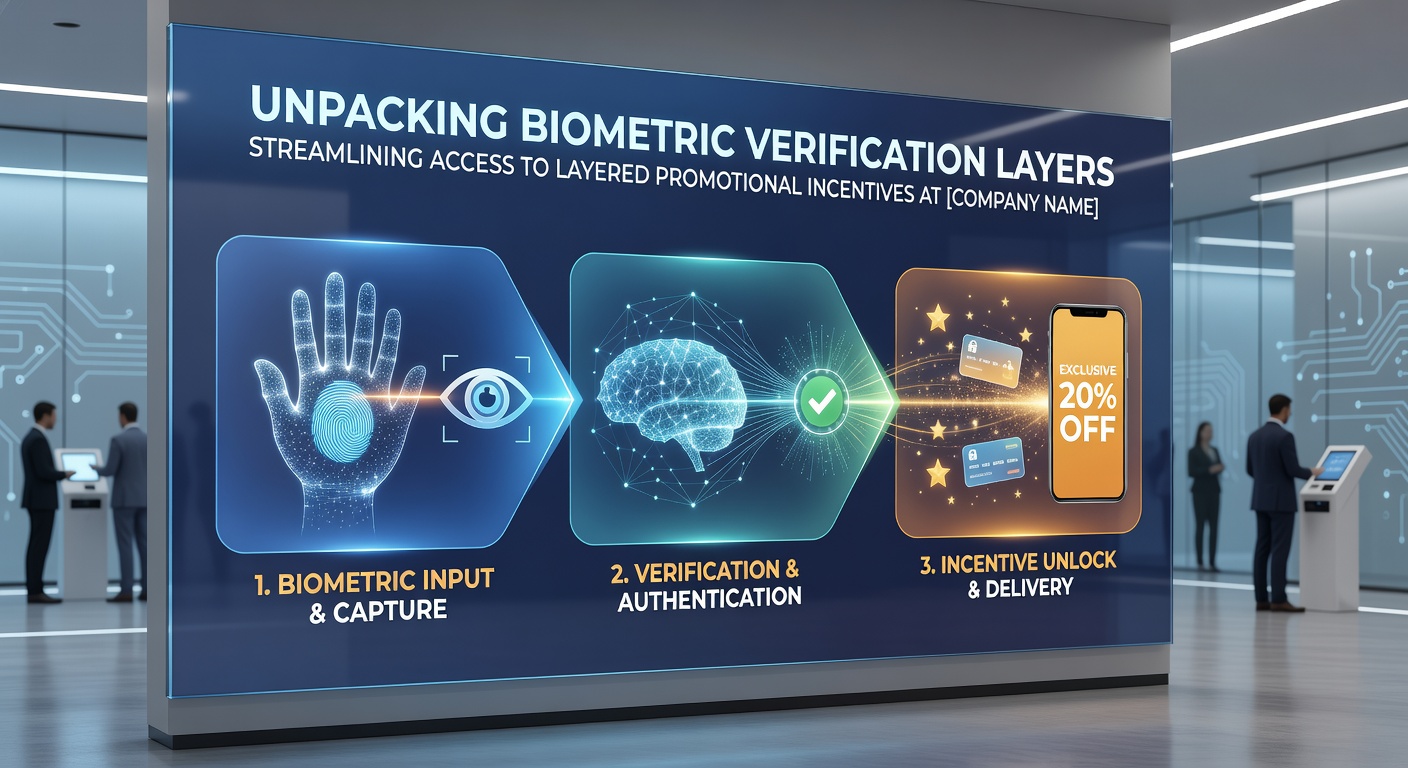
Virtual betting hubs have adopted biometric verification layers that combine facial recognition, fingerprint scanning, and voice authentication to manage access to promotional incentives, and these systems connect directly to reward tiers that range from entry-level deposit matches through to exclusive VIP cashback structures. Operators integrate these layers with account profiles so that users who complete initial facial scans gain immediate entry to standard welcome bonuses while those who add fingerprint data unlock higher-value reload offers without repeated identity checks.
Core Components of Biometric Systems in Digital Gaming
Platforms deploy multiple authentication stages that start with a baseline facial scan captured through device cameras, then progress to fingerprint matching on supported hardware, and finally incorporate voice pattern analysis for high-value transactions. Research from industry groups shows these combined methods reduce manual KYC processing times by up to 70 percent compared with document-only verification, which allows promotional access to activate within minutes rather than hours or days. Data indicates that platforms using at least two biometric factors report fewer account lockouts during bonus redemption periods, since the system cross-references live biometrics against stored templates instead of relying on static passwords that users often forget.
Integration with Tiered Promotional Structures
Layered incentives at virtual betting sites typically include deposit bonuses, free spin packages, cashback percentages, and loyalty points that scale according to verification depth. Users who complete only facial verification receive standard first-deposit matches capped at lower amounts, whereas those who add fingerprint authentication gain access to weekly reload bonuses and elevated cashback rates that apply to both sports and casino play. Voice biometrics further unlock personalized VIP packages that include event-specific promotions tied to major sporting calendars. In May 2026 several major operators plan to roll out unified biometric dashboards that automatically adjust incentive visibility based on completed verification stages, which removes the need for separate promo code entry or manual tier requests.
Security and Compliance Benefits
Biometric layers strengthen compliance with anti-money laundering requirements because each authentication event creates an auditable timestamp linked to the user's profile. Regulators in multiple jurisdictions now accept biometric logs as supplementary evidence during audits, which reduces the volume of paper documentation operators must retain. According to figures from the American Gaming Association, states that permit biometric KYC see faster approval cycles for new player accounts and fewer compliance flags during random checks. The same data reveals that platforms employing multi-factor biometrics experience a measurable drop in chargeback disputes related to unauthorized bonus claims, since the system ties every redemption directly to the verified account holder.
Technical Implementation Across Platforms
Developers embed biometric APIs from established providers into both web and mobile applications so that verification occurs seamlessly at login or at the moment a user attempts to claim a reward. Fingerprint templates remain stored locally on the device in encrypted secure enclaves, while facial and voice data travel through end-to-end encrypted channels to centralized servers that compare them against hashed references. This architecture prevents raw biometric information from lingering in operator databases, which aligns with emerging data-protection standards in North America and the European Union. Observers note that latency for these checks averages under two seconds on modern smartphones, which keeps the flow from account access to bonus activation uninterrupted even during peak traffic periods.
Regional Regulatory Variations
Canadian provincial authorities have begun accepting biometric verification as a primary KYC method for online gaming licenses, while Australian state regulators require operators to offer users the option to opt out of facial recognition in favor of traditional document uploads. Malta's gaming authority continues to evaluate proposals that would standardize biometric audit trails across all licensed remote gaming companies. These differing approaches create a patchwork where platforms must maintain flexible verification modules that adapt to the licensing jurisdiction of each player, yet the core technology stack remains consistent across borders.
Impact on Player Behavior and Retention
Analytics from multiple operators indicate that accounts verified through two or more biometric methods show higher rates of repeated engagement with promotional offers over a six-month period. The streamlined access removes friction points that previously caused users to abandon bonus claims mid-process. Platforms report that daily active users who rely on fingerprint or facial login maintain consistent play patterns across both sports betting and casino sections, which supports the design of cross-product incentive layers. Industry reports from the European Gaming and Betting Association highlight similar patterns in markets where biometric options have been available for over two years.
Conclusion
Biometric verification layers now serve as the operational backbone that connects account security directly to the delivery of multi-tiered promotional incentives at virtual betting hubs. As regulatory frameworks evolve and technology providers refine accuracy rates, these systems continue to shorten the path from registration to reward access while satisfying compliance demands across jurisdictions. Operators that maintain adaptable biometric frameworks position themselves to accommodate new incentive structures without rebuilding verification pipelines from scratch.