Tracing the Flow of Incentive Credits Through Integrated Sports and Table Game Ecosystems
Written by Sofia Lang · Jun 30, 2026
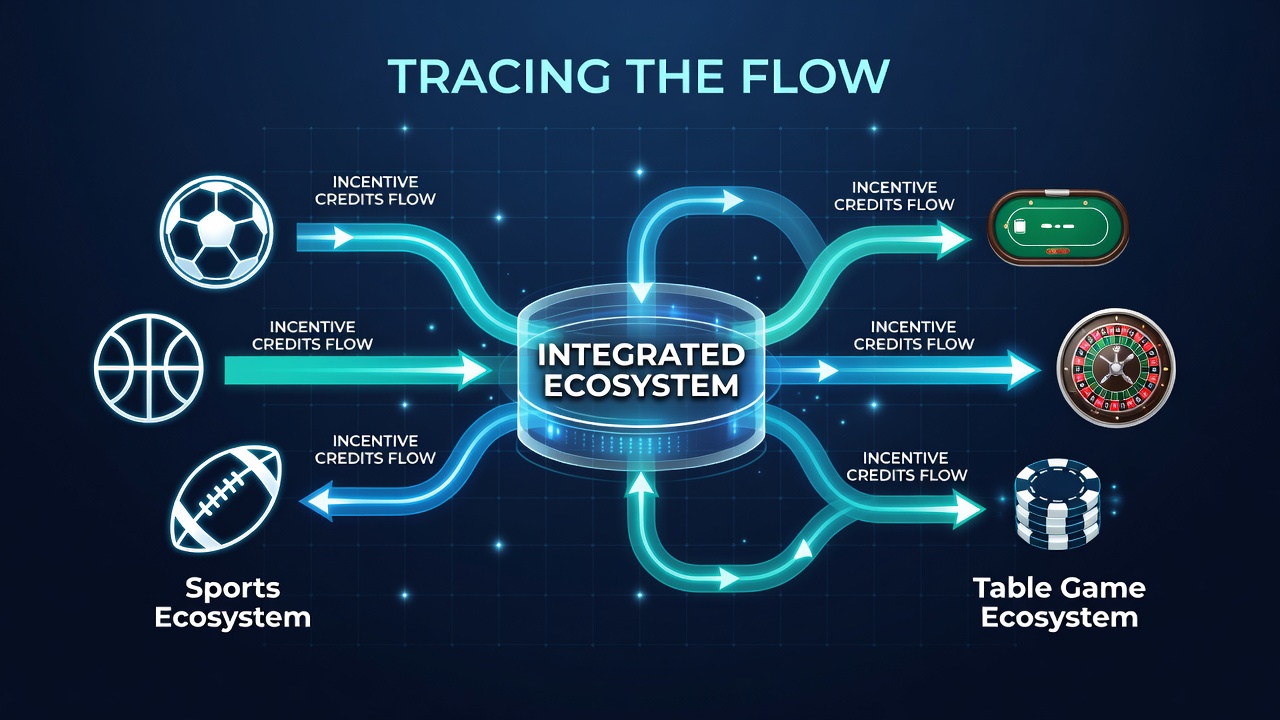
Tracing the Flow of Incentive Credits Through Integrated Sports and Table Game Ecosystems
Integrated gaming platforms now route incentive credits across sports betting modules and table game environments through unified player accounts that sync in real time. Operators track these credits from initial award on a sports wager through redemption at a blackjack table or roulette wheel using centralized loyalty engines. Data streams from each vertical feed into a single ledger so that points earned on a football parlay appear instantly in a table game session balance.
Mechanics of Credit Generation and Transfer
Credits typically originate when a player places a qualifying sports bet and meets volume or odds thresholds set by the operator. The system calculates the award based on handle amount then posts the value to the shared wallet within seconds. Once posted those credits become available for table game play where they convert to chip value or direct bet credits according to predefined exchange rates. Software logs each movement so regulators and operators can audit the full path from sports module to table pit.
Multi-state operators rely on geolocation triggers and account flags to maintain compliance while permitting seamless movement between verticals. When a player shifts from a mobile sports app to an on-site table game terminal the platform reconciles the credit balance using encrypted tokens that prevent duplication or loss. June 2026 figures from several large properties indicate that roughly 38 percent of table game incentive redemptions originated from sports betting activity earlier in the same session.
Data Architecture Supporting Cross-Vertical Flow
Modern ecosystems employ API layers that connect sports betting risk engines with table game management systems. Each transaction carries metadata that includes source vertical, timestamp, player tier and applicable promotion rules. These fields allow the central system to apply correct multipliers or caps before the credit reaches the table interface. Observers note that robust logging also supports responsible gaming tools by flagging unusual patterns across both sports and table activity.
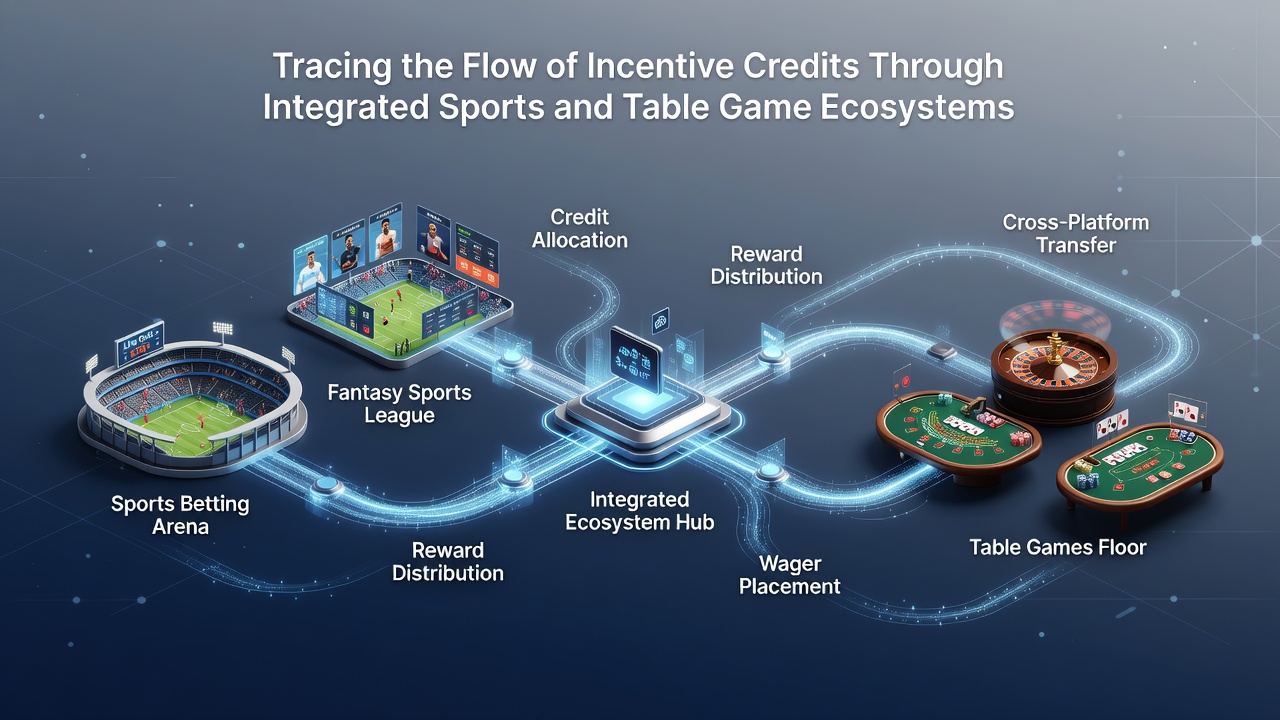
Third-party vendors supply many of these middleware solutions yet each operator customizes rule sets to match state requirements. In jurisdictions that permit combined sports and table gaming the platforms must isolate promotional funds from taxable revenue streams while still presenting a unified experience to the player. Studies published by the University of Nevada Las Vegas Center for Gaming Research document how these technical separations affect reporting accuracy and player retention metrics.
Regulatory Oversight and Reporting Requirements
State gaming commissions mandate detailed audit trails for every credit that crosses vertical boundaries. Monthly submissions to bodies such as the Nevada Gaming Control Board include aggregate volumes of sports-derived credits redeemed at tables along with breakdowns by player tier. Similar filings appear in other regulated markets where integrated platforms operate. Those reports reveal that credit flows have grown steadily since multi-vertical apps gained regulatory approval in additional states.
Operators maintain internal compliance teams that review sample transaction paths each week. Automated alerts flag any credit that fails to reconcile within defined tolerances. Because rules differ by jurisdiction the same platform may apply distinct exchange rates or expiration timers depending on the player’s registered location. This geographic segmentation requires precise coding yet allows the operator to remain compliant across borders.
Player Account Integration and Visibility
From the user perspective the experience appears seamless because the account dashboard displays a single credit balance regardless of source. Behind the scenes however the ledger separates sports-generated and table-generated credits for tax and promotional accounting. Players receive notifications when credits transfer and can often view the originating bet or session that produced them. Such transparency helps maintain trust and reduces disputes over expired or misapplied awards.
Research from the Canadian Gaming Association shows that integrated accounts increase overall session length when credits move freely between verticals. The same data set indicates that redemption rates at tables rise when sports bettors receive immediate visibility into their transferable balances. Operators therefore invest in clean user interfaces that highlight available credits without complicating the underlying compliance layer.
Conclusion
Tracing incentive credits through integrated sports and table game ecosystems requires coordinated technology, strict regulatory reporting and clear player communication. As more jurisdictions authorize combined offerings the pathways these credits follow will continue to evolve while remaining subject to detailed oversight. Accurate tracking protects both operators and players by ensuring every credit follows a documented route from award to redemption.