The Interplay Between Regional Tax Policies and Player Reward Tiers at Licensed Digital Gaming Destinations
Written by Henrik Flores · May 17, 2026
The Interplay Between Regional Tax Policies and Player Reward Tiers at Licensed Digital Gaming Destinations
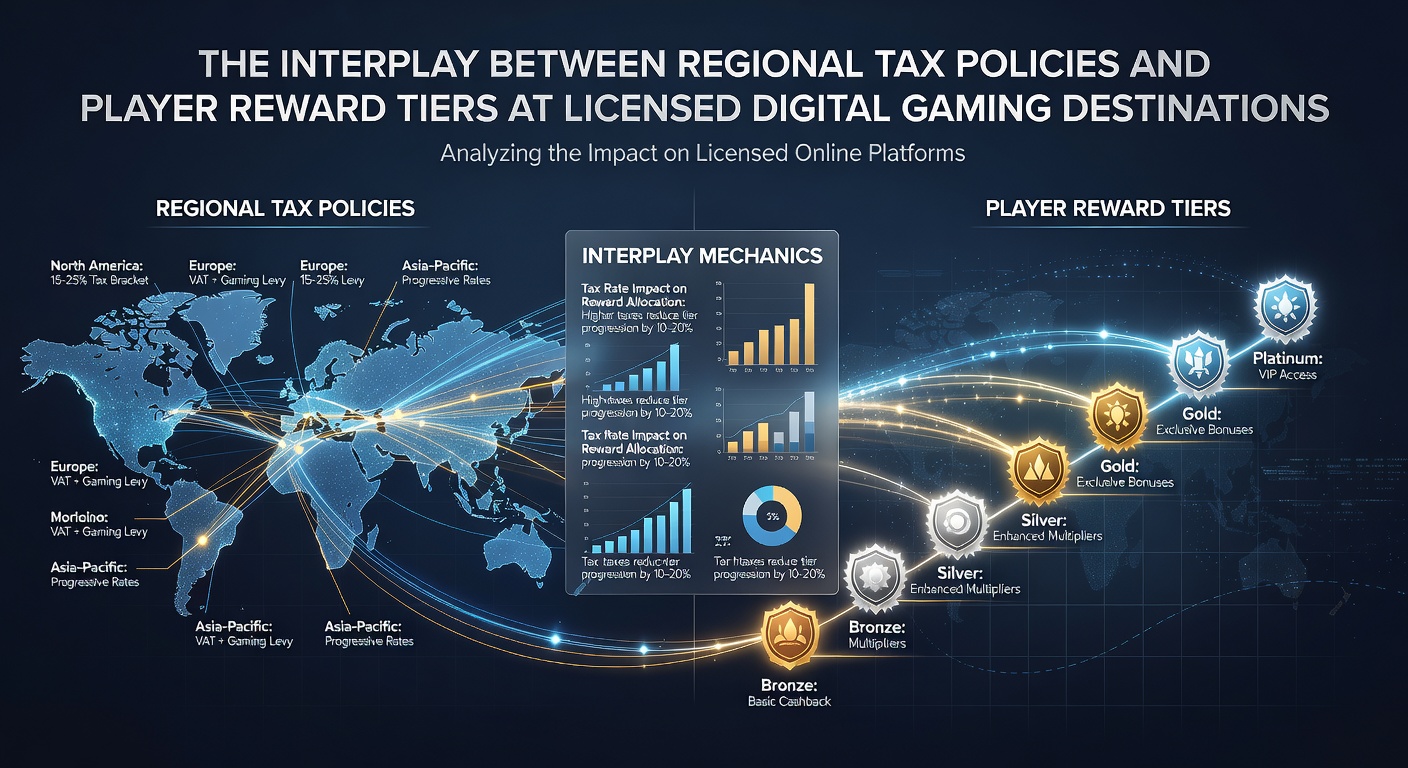
Regional tax policies create distinct frameworks that licensed digital gaming operators must navigate when designing player reward tiers, and these rules directly affect bonus structures, cashback percentages, and loyalty point values. Operators calculate their margins after taxes before finalizing how much they allocate to rewards, which leads to measurable variations between jurisdictions. Data from regulatory filings shows that higher effective tax rates often correlate with more conservative tier progressions where players need larger wagering volumes to unlock premium benefits.
As of May 2026 fresh reports highlight ongoing adjustments in several markets where tax changes prompted operators to recalibrate their programs. Those who have examined multi-jurisdictional operations note that platforms licensed in lower-tax areas frequently offer accelerated point accumulation and higher redemption values compared with their counterparts in stricter tax environments. This pattern emerges consistently across different regulatory landscapes because tax obligations form a fixed cost that influences discretionary spending on player retention tools.
Tax Rate Differences Across Key Markets
States and countries apply varying tax models to digital gaming revenue, and these differences shape the economics behind reward tiers in concrete ways. In New Jersey for example operators face a combined tax and regulatory fee structure that exceeds 15 percent of gross gaming revenue while neighboring Pennsylvania maintains a similar rate yet adds additional assessments that push the total burden higher. These figures come from official filings with the New Jersey Division of Gaming Enforcement and create a baseline cost that operators must offset through careful management of promotional budgets.
Meanwhile markets such as Ontario in Canada apply a different approach where the provincial government collects a share of revenue through its iGaming framework and operators then factor that into their reward calculations. Observers note that this setup encourages platforms to tie reward tiers more closely to player activity levels rather than offering flat bonuses that might erode margins after taxes. The result appears in tier structures that reward consistent play with escalating benefits while capping the most expensive perks for the highest-volume participants.
Mechanics of Reward Tier Adjustments
Operators translate tax liabilities into specific changes within their loyalty systems by adjusting point earning rates, tier qualification thresholds, and redemption options. When tax rates rise companies often extend the number of points required to reach elite status or reduce the percentage of cashback available at the top tiers. Research indicates that these modifications help maintain profitability while still providing enough value to encourage continued engagement from regular players.
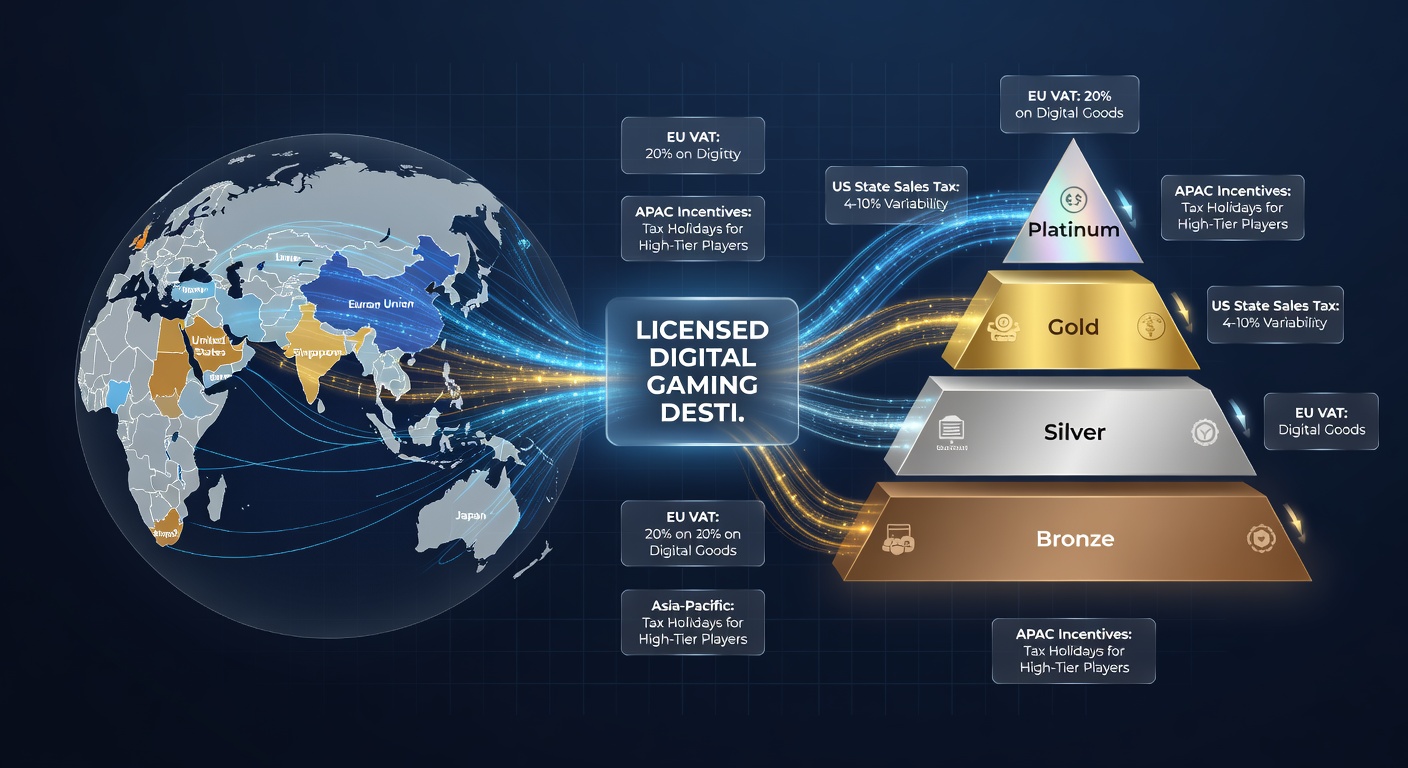
One documented case involves a major operator that operates across multiple European licenses where it introduced region-specific tier multipliers. Players in lower-tax jurisdictions received faster progression while those in higher-tax locations saw slower advancement but gained access to alternative perks such as exclusive event invitations. This strategy keeps overall reward spending aligned with after-tax revenue and demonstrates how tax policy ripples through every level of the player experience.
Player Behavior and Platform Responses
Players respond to these tier variations by gravitating toward platforms that deliver better value relative to the local tax environment and operators track these shifts through detailed analytics. Studies from industry research groups reveal that participants in high-tax regions tend to consolidate their activity on fewer sites that still provide competitive rewards despite the fiscal pressure. This consolidation allows operators to concentrate their marketing spend more effectively while meeting regulatory requirements.
Those who have analyzed transaction data across borders find that reward tier modifications rarely eliminate player interest but instead redirect it toward programs that emphasize volume-based benefits over immediate cash returns. Operators counterbalance stricter tax regimes by introducing hybrid rewards that combine digital credits with experiential elements such as tournament entries or merchandise that carry lower direct costs yet maintain perceived value. The approach keeps engagement high even when cashback percentages face downward pressure from tax obligations.
Regulatory Oversight and Compliance Factors
Regulatory bodies monitor how tax policies intersect with reward offerings to ensure transparency and prevent misleading promotions. Licensed destinations must report their full reward structures during audits and any changes triggered by tax adjustments require prior approval in many jurisdictions. This oversight creates a documented trail that shows exactly how operators adapt their tiers when tax rates fluctuate.
According to reports from the Australian Communications and Media Authority platforms licensed in that country have refined their tier systems to reflect updated tax calculations while preserving clear communication to players about qualification criteria. Similar patterns appear in other regulated markets where compliance teams work alongside finance departments to model the impact of every tax modification before rolling out revised reward schedules.
Conclusion
The connection between regional tax policies and player reward tiers at licensed digital gaming destinations continues to evolve as operators refine their approaches based on regulatory updates and revenue data. Markets with different tax burdens produce correspondingly varied loyalty structures that reflect those underlying costs while still delivering value to participants. Continued monitoring of these interactions provides clear insight into how fiscal rules shape the player experience across jurisdictions.