Regulatory Impacts on Multi-Tiered Incentive Programs at State-Sanctioned Betting Destinations
Written by Zoe Becker · May 24, 2026

Regulatory Impacts on Multi-Tiered Incentive Programs at State-Sanctioned Betting Destinations
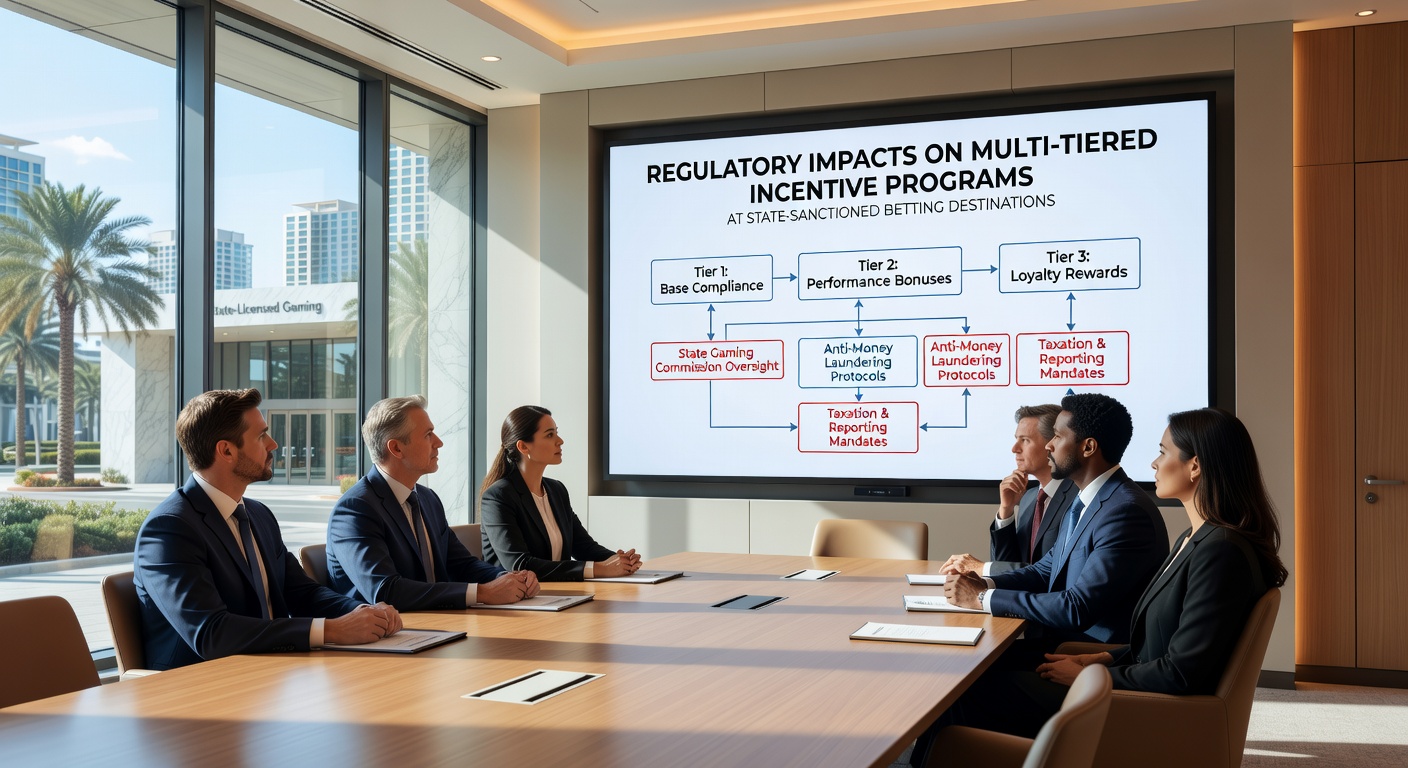
Multi-tiered incentive programs at state-sanctioned betting destinations function through structured loyalty systems that assign players to levels such as basic, premium, and elite based on wagering volume and frequency, delivering escalating rewards including bonus credits, cashback percentages, and exclusive event access. State regulations directly shape these structures by imposing disclosure mandates, bonus caps, and responsible gaming integrations that operators must embed into every tier level.
Regulatory bodies in jurisdictions like New Jersey and Pennsylvania require operators to publish clear terms for each reward tier, including expiration rules and eligibility criteria, which prevents hidden restrictions that once allowed rapid tier advancement through short-term promotions. Data from the New Jersey Division of Gaming Enforcement shows that these transparency rules have standardized how programs calculate qualifying bets across digital and retail platforms since their implementation.
State Variations in Oversight Frameworks
Each state applies its own set of rules to multi-tiered systems, creating a patchwork that operators navigate when expanding across borders. Pennsylvania's gaming regulations limit the total value of sign-up and tier-progression bonuses to a percentage of a player's deposits, which forces programs to spread rewards more evenly rather than front-loading elite-level perks. Observers note that this approach has extended the time required for players to reach higher tiers in that market compared with less restrictive states.
Nevada maintains lighter controls on incentive structures yet enforces strict auditing of tier qualification data to ensure accuracy in reward distribution. Those who've studied compliance records find that operators there often maintain more aggressive progression rates because the state focuses oversight on payout verification instead of bonus ceilings.
Compliance Requirements and Program Adjustments
Operators must integrate self-exclusion tools and deposit limits into every tier, meaning elite members receive the same responsible gaming prompts as entry-level participants despite their higher activity. Research indicates these embedded features increase operational costs yet reduce regulatory penalties when programs demonstrate consistent player protection measures.
Figures from May 2026 reveal that several state-licensed platforms adjusted their tier structures after new reporting deadlines took effect, shifting some cashback rewards from automatic credits to opt-in formats that require additional player confirmation. This change stems from rules designed to confirm ongoing consent for ongoing promotions rather than assuming continued participation.
Effects on Player Behavior and Operator Strategies
Players encounter longer qualification periods for top tiers in heavily regulated states because daily or weekly bonus caps prevent the rapid accumulation of qualifying points that unregulated markets once permitted. Industry reports show corresponding shifts toward consistent, moderate wagering patterns as participants adapt to these paced reward schedules.
Operators respond by redesigning tier benefits around non-monetary perks such as priority support and event invitations, which face fewer regulatory restrictions than direct cash or credit rewards. One study revealed that programs emphasizing these experiential benefits maintain higher retention rates across state lines despite varying bonus limits.
Cross-Border Comparisons and Emerging Trends
Canadian provincial regulators, including those in Ontario, apply similar tier oversight through their alcohol and gaming commissions, requiring detailed player data reporting that parallels U.S. state requirements while adding unique age-verification layers at each reward level. This geographic spread demonstrates how incentive programs evolve under different licensing regimes yet share core compliance elements around transparency and harm reduction.
Academic analyses from university research centers highlight that states introducing tier-specific taxation on bonus values see operators restructure reward pools to minimize tax exposure, often by converting some cashback into free-play credits that carry different fiscal treatment.
Conclusion
State regulations continue to redefine multi-tiered incentive programs by dictating disclosure standards, reward pacing, and integration with player protection tools at every level of sanctioned betting operations. These frameworks produce measurable differences in how quickly participants advance through tiers and which benefits operators prioritize across jurisdictions. Ongoing adjustments in May 2026 and beyond reflect regulators' focus on balancing commercial incentives with consumer safeguards, resulting in programs that deliver structured rewards while meeting evolving compliance benchmarks nationwide.