Patterns Linking User Session Durations to Dynamic Reward Escalations in Regulated Mobile Wagering Platforms
Written by Henrik Flores · Jul 21, 2026
Patterns Linking User Session Durations to Dynamic Reward Escalations in Regulated Mobile Wagering Platforms
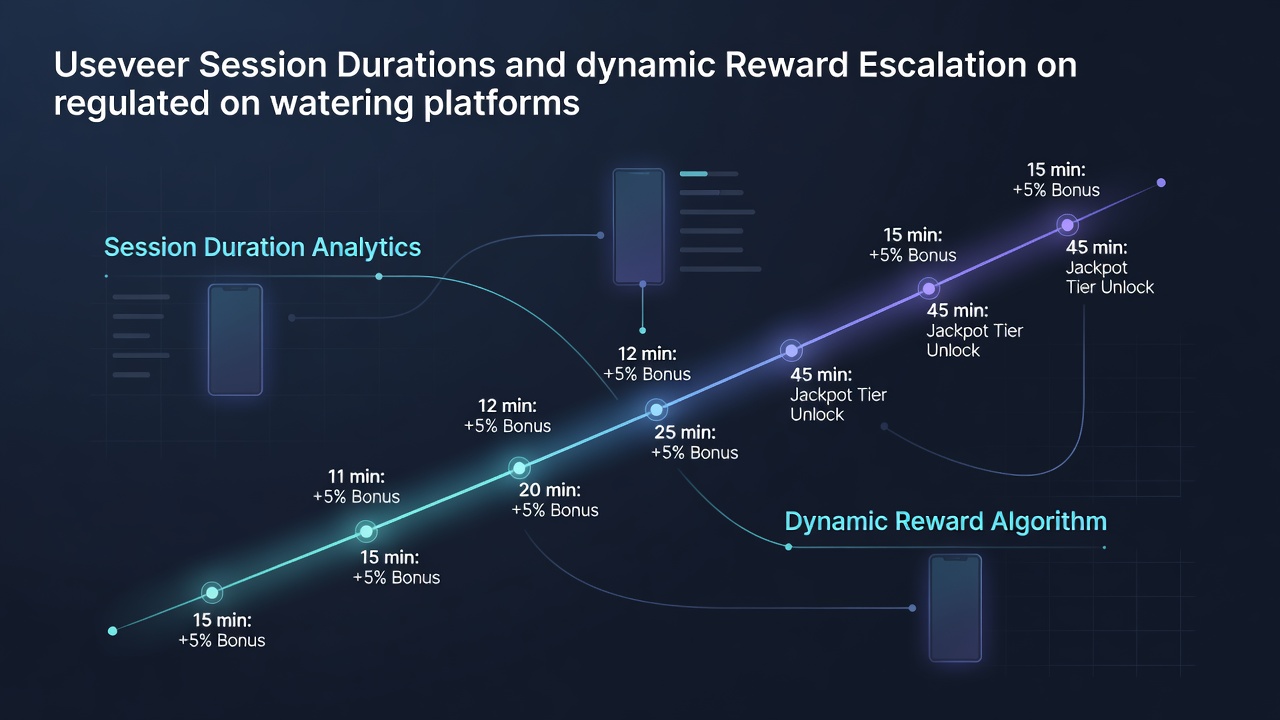
Observers note that regulated mobile wagering platforms track session lengths alongside reward structures to identify behavioral patterns that influence player engagement. Data from multiple state-licensed operators reveals correlations between extended user sessions and the activation of tiered incentives that scale in value over time. These systems operate under oversight from agencies such as the New Jersey Division of Gaming Enforcement, which monitors compliance with session-based reward protocols across digital channels. Analysts examine how platforms adjust reward multipliers based on cumulative time spent in active betting modes. Sessions exceeding thirty minutes often trigger initial escalations that include bonus credits or enhanced odds on select markets. Longer durations, particularly those surpassing ninety minutes, activate secondary tiers where rewards compound through algorithmic models tied to real-time activity logs. Researchers at academic institutions studying digital gaming ecosystems document these sequences in reports that highlight predictable escalation points tied directly to session metrics.Session Tracking Mechanisms in Licensed Environments
Platforms collect granular data on session starts, pauses, and continuations through embedded telemetry that feeds into centralized compliance databases. Operators in jurisdictions like those overseen by the Michigan Gaming Control Board integrate these feeds with geolocation verification to maintain regulatory standards while mapping duration patterns. Evidence from aggregated platform reports indicates that users who maintain continuous sessions without extended breaks encounter reward escalations at fixed intervals, typically calibrated to encourage sustained interaction within legal play limits.
Dynamic systems adjust escalation rates according to historical session data across user cohorts. One study from a university research group focused on gambling behavior analytics found that average session lengths in mobile environments range from twenty-five to forty-five minutes during peak evening hours, with reward triggers aligning closely to these benchmarks. Platforms then layer additional incentives, such as loyalty points or cashback percentages, that increase proportionally as duration thresholds are met.
Correlation Data and Escalation Triggers
Figures compiled from operator dashboards show distinct clusters where session duration directly precedes reward level advancements. For instance, sessions that reach the sixty-minute mark frequently unlock mid-tier benefits like free spins on approved games or deposit match percentages that grow with continued activity. Those who extend beyond two hours access higher-value escalations, including personalized promotions calibrated to individual betting volumes within the same session window.
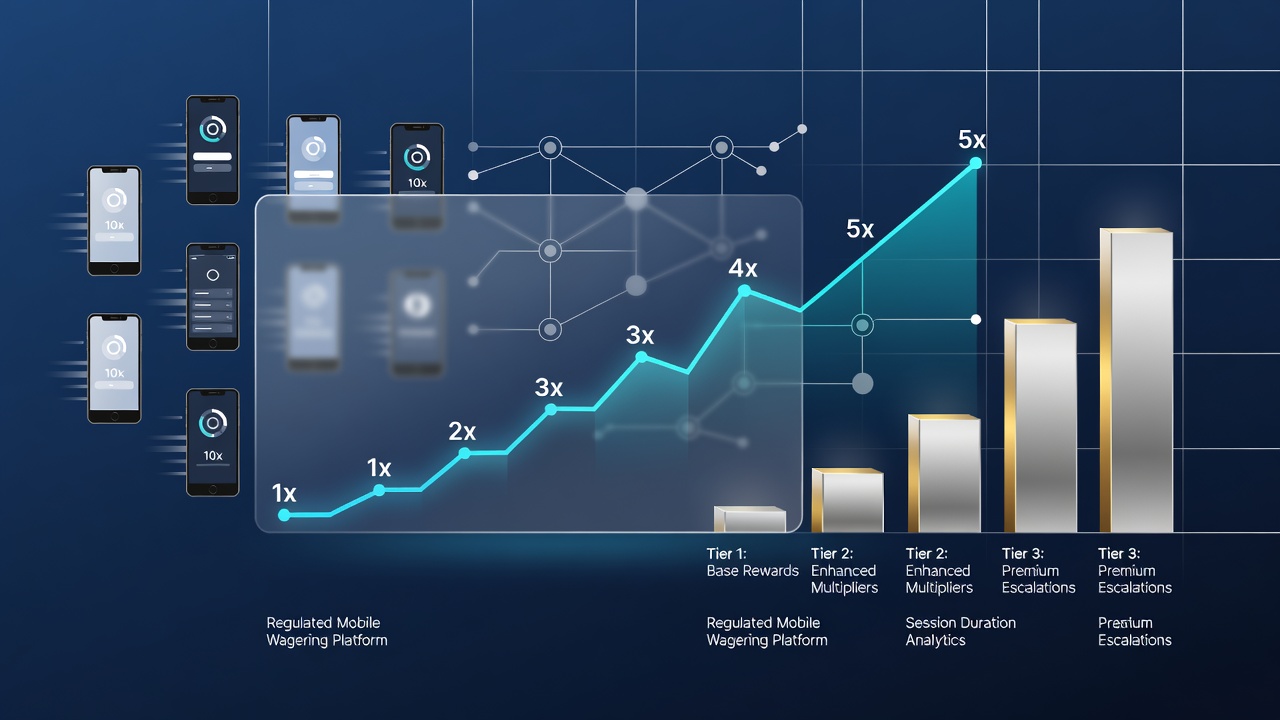
What's interesting emerges in how these patterns vary by time of day and regional regulations. In July 2026, updates from several multi-state operators reflected refined models that incorporated weather-related event data alongside session metrics to fine-tune reward timing. This integration allows platforms to synchronize escalations with live events while adhering to session duration rules enforced by bodies such as the Australian Communications and Media Authority.
Regulatory Frameworks Shaping Reward Dynamics
State-sanctioned platforms must log all reward escalations linked to session durations for audit purposes, creating datasets that reveal consistent linkages between time spent and incentive progression. Compliance officers review these records to confirm that escalations do not exceed predefined caps set by licensing agreements. Observers note that such oversight ensures reward systems remain tied to verifiable user behavior rather than arbitrary adjustments.
Industry reports from trade associations document how mobile interfaces display session timers alongside reward progress indicators, allowing users to monitor their own duration milestones. These visual cues often coincide with automated notifications that signal impending escalations, maintaining transparency required under digital gaming statutes. Data shows operators in regulated markets achieve higher retention when escalations follow predictable duration-based sequences rather than random distributions.
Future Patterns and Platform Adaptations
Emerging models incorporate machine learning to predict session extensions based on early-stage activity, enabling preemptive reward escalations that align with anticipated duration patterns. Regulators across multiple regions continue to evaluate these adaptations through periodic reviews of operator-submitted analytics. Those who study these systems observe that session-linked rewards contribute measurable shifts in overall platform engagement metrics without violating playtime guidelines.
Conclusion
Patterns connecting user session durations to dynamic reward escalations continue to shape operations within regulated mobile wagering platforms as data collection and compliance standards evolve. Reports from oversight agencies and research entities underscore the structured relationships between time-based metrics and incentive adjustments across licensed environments. These linkages remain central to how platforms deliver compliant, duration-responsive reward systems in the current regulatory landscape.