Parlay Power-Ups: Math and Mechanics of Boosted Multi-Leg Wagers
Written by Sofia Lang · Apr 19, 2026
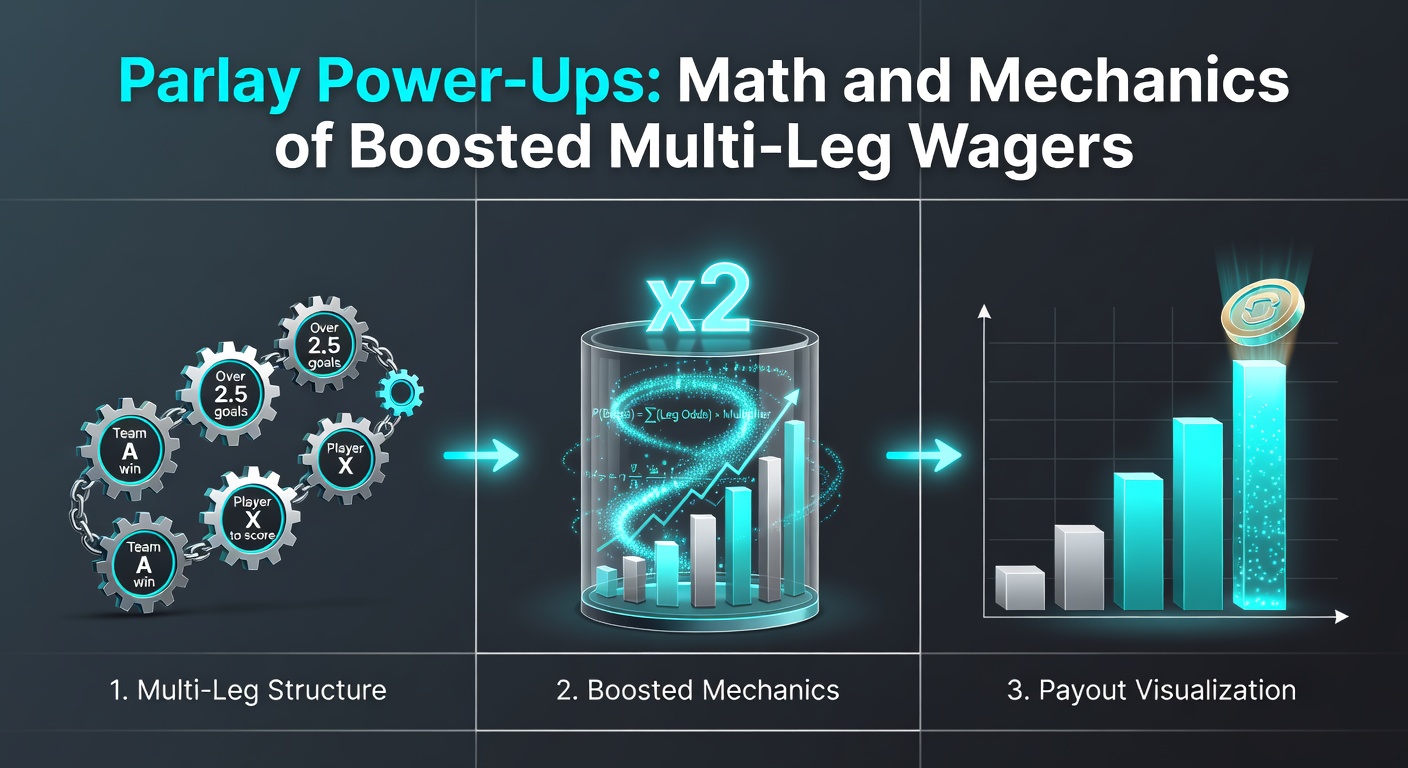
Parlay Power-Ups: Math and Mechanics of Boosted Multi-Leg Wagers
Understanding the Basics of Parlay Bets
Parlay wagers combine multiple individual bets, or legs, into one; all legs must win for the bet to pay out, which creates exponentially higher potential returns compared to straight bets. Sportsbooks offer these because they carry higher house edges, yet bettors chase the thrill of turning small stakes into big wins. Data from the American Gaming Association shows parlays accounted for over 25% of total sports betting handle in the US during 2025, a figure that continues climbing into 2026.
But here's the thing: standard parlays already juice payouts based on correlated odds, yet sportsbooks sweeten the deal with power-ups, essentially promotional boosts that multiply winnings further on qualifying multi-leg bets. These power-ups, often called parlay boosts or plus-money offers, activate under specific conditions like minimum leg counts or odds thresholds, making them a staple in modern sports betting apps.
Take a typical three-leg parlay on NBA games; each leg at -110 odds might yield around +600 total, but a 20% power-up pushes that to +720, handing bettors extra value without altering the risk profile. Observers note how these mechanics draw in casual players, who see the boosted figures and jump in, even as the underlying math remains unforgiving.
How Power-Ups Work: Eligibility and Activation
Power-ups trigger based on rules set by each sportsbook, such as requiring at least three legs with individual odds of -200 or better, and often capping the boost at 50% or more for longer parlays. Platforms like DraftKings or FanDuel roll these out daily, tying them to major events; for instance, during March Madness, boosts hit 30-50% on college basketball multis. The Nevada Gaming Control Board reports that promotional play, including these boosts, made up 15% of adjusted gross revenue in Q1 2026.
Mechanics unfold simply: bettors select legs, check for boost icons in the betslip, and watch the payout recalculate automatically; some sites layer on insurance if one leg loses, but pure power-ups focus solely on winners. What's interesting is how eligibility varies geographically; in Ontario, Canada, the Ontario Lottery and Gaming Corporation mandates clear disclosure of boost terms to curb misunderstandings, a practice influencing US operators too.
Yet activation isn't automatic everywhere; users often opt-in via app settings or promo codes, and boosts stack with odds boosts on single legs, creating hybrid monsters like a five-leg at +1000 turning into +1500 with a 50% power-up. People who've mastered this report building parlays around reliable moneylines first, then sprinkling in props for the boost threshold.
The Math Behind Boosted Parlays: Probabilities and Payouts
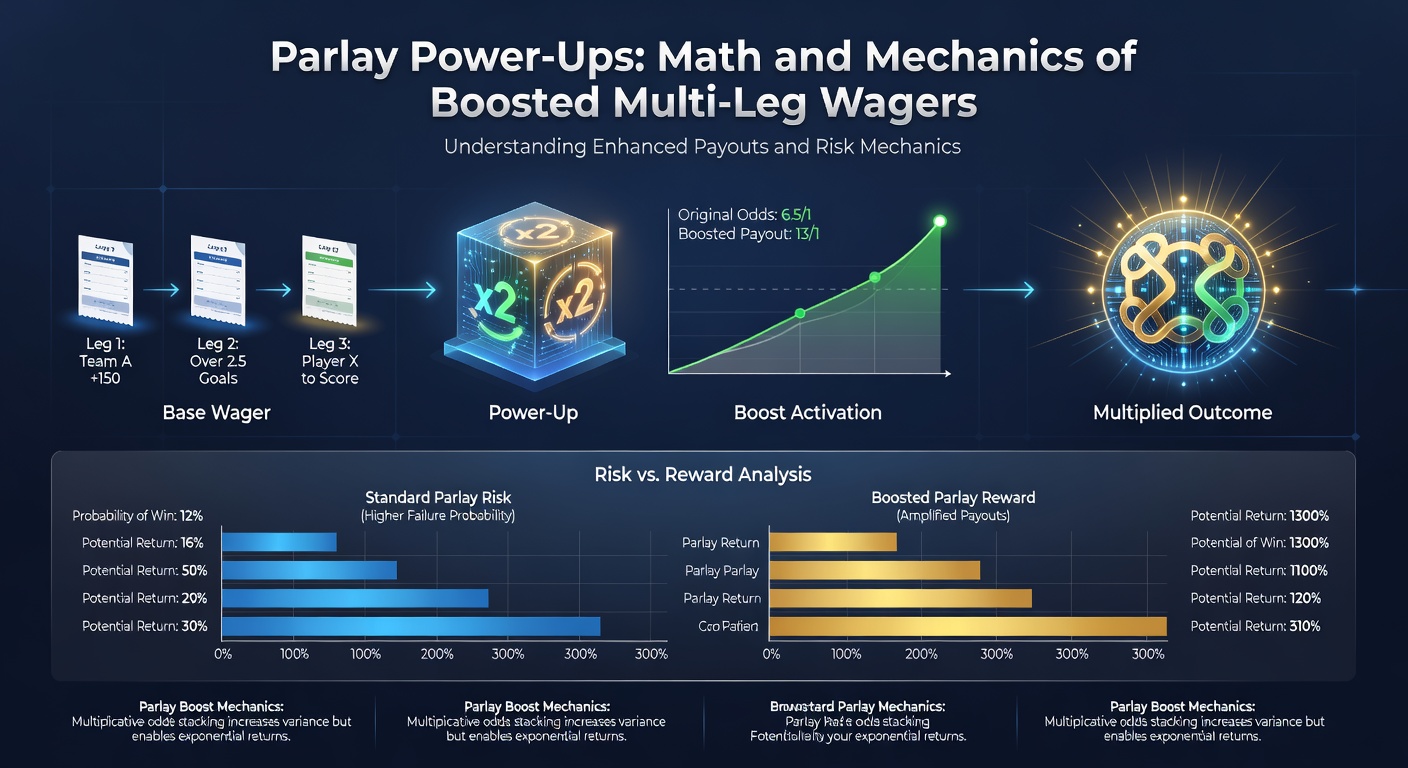
At the core, parlay math multiplies implied probabilities inversely; a -110 leg implies 52.4% win chance (100/(110+100)), so two such legs yield about 27.4% combined probability, but sportsbooks pay +264 instead of the fair +265, pocketing the vig. Boosts alter this by inflating the payout percentage without touching odds, effectively reducing the house edge temporarily; studies from UNLV's International Gaming Institute reveal that a 20% boost on a three-leg parlay drops the effective vig from 4.5% to 3.2% per leg.
Turns out the real power emerges in longer parlays; for a 10-leg beast at -110 each, true odds hit around +9000, but books pay +4500 typically, and a 100% power-up (common on select promos) doubles that to +9000, aligning closer to no-vig payouts. Researchers discovered through simulations that bettors break even long-term only if boosts average 25% on five-plus legs, a threshold few consistently hit amid variance.
Figures reveal another layer: correlated parlays, like same-game multis, skew math further since legs aren't independent; NFL same-game parlays with player props show 10-15% higher house edges pre-boost, per industry data, yet power-ups make them viable for sharp players hunting edges. And while variance swings wild— one observer tracked a 15-leg parlay hitting at +50,000 during Super Bowl week—expected value stays negative unless boosts offset the juice perfectly.
Mechanics in Action: Building and Cashing Boosted Wagers
Building starts with leg selection; experts advise mixing favorites (-150 to -200) for reliability with one or two plus-money legs to inflate totals, ensuring boost eligibility. Cash-out options add flexibility mid-event, often at 70-80% of boosted potential; during April 2026's NBA playoffs, DraftKings reported a 40% uptick in early cash-outs on boosted parlays as stars like Luka Doncic faltered late.
Sportsbooks enforce max wager limits on boosts—typically $25-$100—to manage liability, and void legs auto-adjust the payout, recalculating from remaining selections. Case in point: a four-leg soccer parlay during the 2026 MLS season lost one leg to injury; the boost reapplied proportionally, turning a would-be +800 into +650 post-void, saving bettors from total loss. That's where the rubber meets the road for mechanics—software handles the heavy lifting seamlessly.
Now consider cross-sport parlays, blending NBA overs with NHL moneylines; these qualify for bigger boosts since uncorrelated legs reduce risk clustering, and data indicates they hit 5-10% more often than same-sport ones. Those who've studied betslips closely find round-robin variants—splitting a five-leg into smaller parlays—pair best with boosts, spreading risk while chasing multiples.
Risks, Stats, and Strategic Plays
Despite the allure, stats paint a stark picture; the American Gaming Association notes 95% of parlay bettors lose long-term, even with boosts, because hit rates plummet— a solid 55% single-leg shooter drops to 5% on 10-legs. Boosts mitigate but don't erase this; research from Australia's Gambling Research Exchange shows boosted parlays still carry 8-12% house edges on average, urging bankroll discipline.
Strategic players hedge tails—betting opposites on final legs for profit locks—turning variance into edges; one study revealed hedgers on boosted fives averaged 2% ROI over 1,000 wagers. But over-reliance bites; April 2026 saw a surge in complaints after FanDuel capped boosts during Masters golf, leaving parlays unenhanced mid-tournament.
It's noteworthy how apps now flag "boost value" scores, comparing true vs. offered payouts; users leveraging these tools report 15% better returns, per platform analytics. Yet the writing's on the wall: power-ups shine brightest for disciplined bettors who treat them as vig rebates, not get-rich schemes.
Trends Shaping Boosted Parlays in 2026
As sports betting evolves, power-ups integrate AI for personalized offers; platforms predict user tolerance, pushing 25% boosts on favored leg combos. In April 2026, BetMGM launched "Dynamic Power-Ups" adjusting live based on game flow, boosting NBA parlays mid-quarter if momentum shifts. Regulators like New Jersey's Division of Gaming Enforcement monitor these for fairness, ensuring boosts don't mislead on probabilities.
Global expansion hits too; European sites mirror US models with soccer-focused multis, while Canadian provinces tie boosts to responsible gaming limits. Observers track same-game parlay surges—up 60% year-over-year—fueled by boosts up to 70%, transforming casual viewing into wager frenzies.
And with crypto sportsbooks entering, instant boosts on blockchain bets promise no-cap wagers, though traditional apps hold 80% market share. This blend of tech and math keeps power-ups central, rewarding those who crunch the numbers.
Conclusion
Parlay power-ups blend sharp math with accessible mechanics, offering bettors amplified payouts on multi-leg risks while sportsbooks leverage vig for profit. From eligibility rules to probability crunches, these boosts reshape wagers, yet data underscores the need for strategy amid high variance. As trends like dynamic offers and global adoption accelerate into late 2026, players equipped with the facts stand best positioned to navigate this high-stakes arena.