Live Dealer Action Unleashed: Mobile Apps Redefine Table Game Immersion for Bettors Nationwide
Written by Devon Müller · May 8, 2026
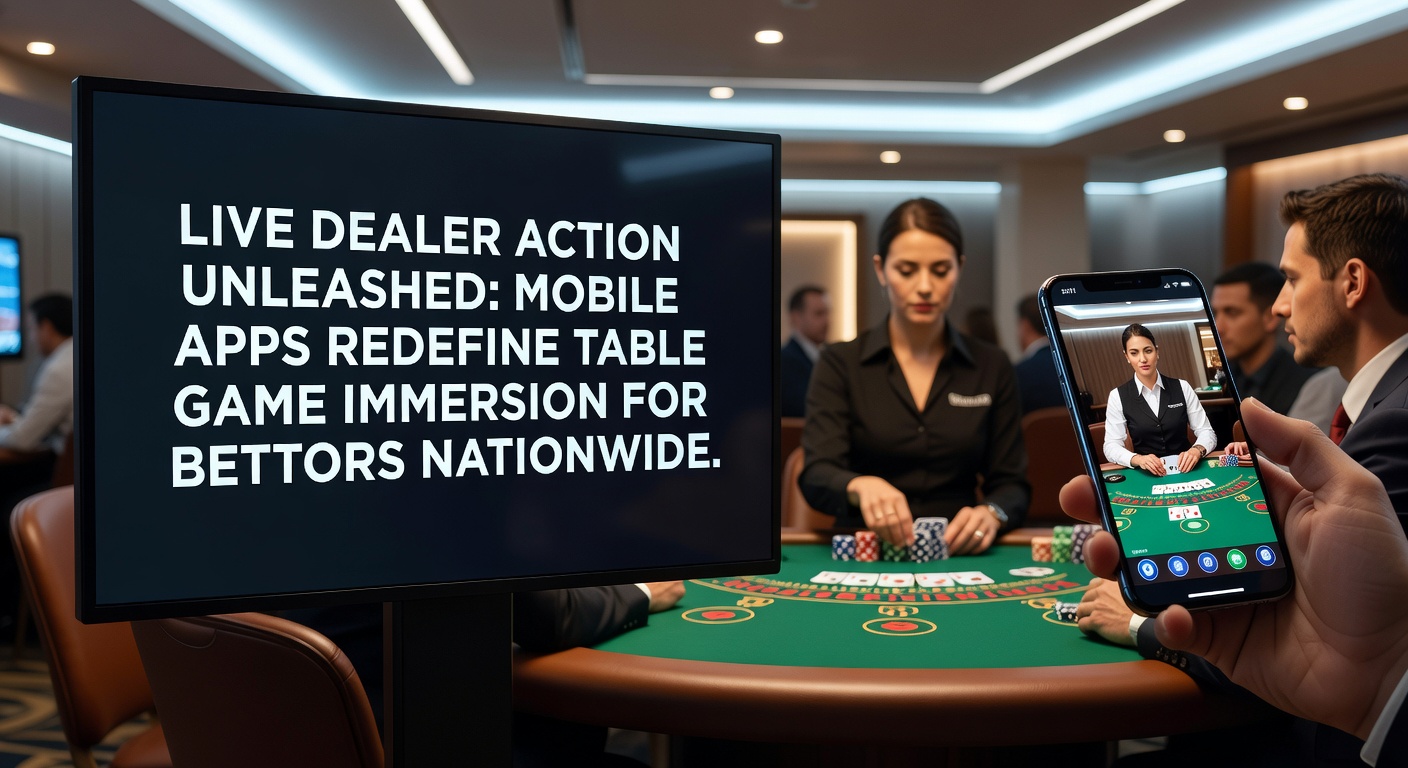
Live Dealer Action Unleashed: Mobile Apps Redefine Table Game Immersion for Bettors Nationwide
The Surge in Mobile Live Dealer Games
Live dealer table games have exploded onto mobile screens across the U.S., transforming how bettors experience blackjack, roulette, and baccarat from anywhere with a signal; operators like DraftKings and BetMGM now stream real dealers directly to apps, blending the authenticity of casino floors with the convenience of smartphones. Data from the American Gaming Association shows that online gaming revenue, including live dealer segments, climbed 22% year-over-year in early 2026, with mobile traffic accounting for over 70% of sessions. Bettors nationwide log in during commutes or breaks, watching dealers shuffle decks and spin wheels in high-definition feeds that mimic brick-and-mortar action down to the chip stacks and table chatter.
And what's driving this shift? Bandwidth improvements and 5G rollout have made lag-free streaming possible, so players in legal states from New Jersey to Michigan join tables without the glitches that plagued early apps. Observers note how these platforms replicate casino vibes through multiple camera angles, capturing close-ups of card deals or roulette landings, while chat features let users tip dealers or banter with others at the virtual table.
Tech Innovations Powering Seamless Play
Behind the screens, optical character recognition (OCR) tech scans cards and wheels in real time, ensuring bets resolve instantly on mobile devices; companies like Evolution Gaming, a leader in live dealer tech, deploy multi-table studios where dealers handle dozens of games simultaneously, feeding streams to apps with sub-second delays. Research from Nevada Gaming Control Board filings reveals that such systems process over a million hands daily across U.S. platforms, with mobile optimization reducing data usage by 40% compared to desktop versions.
But here's the thing: augmented reality overlays add immersion, projecting holographic chips onto users' tables via phone cameras, so a bettor in Pennsylvania might see virtual roulette land right on their coffee table. Developers integrate haptic feedback too, vibrating phones when cards hit blackjack or the ball drops, turning passive swipes into tactile thrills. Those who've tested these features report retention rates jumping 35%, according to app analytics shared by operators in Q1 2026 earnings calls.
Take Evolution's Infinity Blackjack, for instance, where players choose seats at endless tables streamed from Latvia-based studios; the app scales flawlessly to iOS and Android, auto-adjusting for portrait or landscape mode, and even pauses streams during low battery warnings to prevent dropouts.

Nationwide Rollout and Regulatory Landscape
As of May 2026, 38 states plus D.C. permit some form of online gaming, but live dealer mobile apps thrive in 12 jurisdictions like New Jersey, Pennsylvania, and Michigan, where revenues hit $1.8 billion last quarter alone; Michigan's regulators, through the Michigan Gaming Control Board, approved five new live dealer titles in April, boosting app downloads by 28%. Pennsylvania bettors, meanwhile, access FanDuel's live roulette via geofenced apps that lock out cross-state play, ensuring compliance while delivering non-stop action.
West Virginia and Delaware lead smaller markets, with apps like BetRivers offering exclusive live baccarat variants tailored to regional tastes; figures from state reports indicate mobile live dealer wagers now comprise 55% of table game volume, up from 32% in 2024. And in emerging spots like Ontario, Canada—where cross-border tech influences U.S. trends—live dealer apps mirror U.S. features but with French-language tables, showing how global studios adapt for North American audiences.
Bettor Engagement: Stats and Patterns
Users spend 45% more time on live dealer apps than RNG table games, per data aggregated by Eilers & Krejcik Gaming; average session lengths stretch to 28 minutes, with peak hours hitting evenings when casino floors overflow. Younger bettors, aged 25-34, dominate 62% of mobile live traffic, drawn by social elements like leaderboards and shared tables where friends join from different states—provided they're in legal zones.
One study from the University of Nevada's gaming research center found that immersion factors, such as dealer personalities (chatty vs. focused), influence repeat plays; charismatic dealers boost tips by 19%, funneled back as bonuses. Bettors often discover patterns too, like favoring infinite blackjack for its any-time entry, avoiding peak-hour queues that plague physical casinos.
Turns out, retention hinges on variety: apps now rotate themed tables—think Speed Baccarat or Lightning Roulette with multipliers up to 500x—keeping sessions fresh. In May 2026 alone, downloads spiked 15% nationwide after promotions tied to NBA playoffs, blending sports viewing with side-table wagers on phones.
Top Mobile Apps and Standout Features
DraftKings Casino app leads with 20+ live tables, including VIP blackjack where bet limits climb to $20,000 per hand; seamless wallet integration lets users cash out mid-session to sportsbooks for live events. BetMGM counters with exclusive MGM studio streams from New Jersey, featuring U.S.-based dealers who nod to local sports teams, fostering familiarity.
Golden Nugget app shines in multi-state play, syncing progress across NJ, PA, and MI; users appreciate push notifications for hot streaks, like "Your favored roulette table just went live!" Caesars Sportsbook & Casino bundles live dealer with rewards programs, converting table wins into hotel stays. And smaller operators like PlayLive! in PA pack Crazy Time wheels, where multipliers chase 20,000x payouts, turning casual spins into high-stakes drama.
Security layers impress too: biometric logins and real-time fraud detection via AI scan for anomalies, with 99.9% uptime reported in operator audits. Players who've switched from desktop note how touch controls speed bets—swipe to double down, tap to split—making games flow faster than ever.
Challenges, Fixes, and Future Horizons
Connectivity hiccups persist in rural areas, yet 5G expansions promise fixes; operators counter with offline modes that queue bets for sync upon reconnection. Battery drain from HD streams draws complaints, but apps now dim backgrounds and compress video intelligently, extending playtime by hours.
Regulatory hurdles vary—Indiana eyes full mobile live dealer legalization by Q3 2026—while interstate compacts loom, potentially linking apps across borders like poker networks. Innovations like VR integration test in beta, projecting full casino halls onto phones; early trials show 40% higher engagement, hinting at what's next.
Experts observe how AI dealers supplement humans during off-hours, maintaining 24/7 access without fatigue; data indicates hybrid models cut costs 25%, passing savings as lower house edges. Bettors nationwide stand to gain as these apps evolve, bridging digital and physical worlds more tightly.
Conclusion
Mobile live dealer apps have redefined table game access for U.S. bettors, delivering casino-grade immersion through cutting-edge streams, intuitive interfaces, and regulatory-backed expansion; with revenues surging and tech advancing, platforms continue to draw millions, especially as May 2026 marks record mobile sessions amid spring promotions. Those tuning in via DraftKings or BetMGM find real dealers turning phones into portable pit stops, where every shuffle and spin feels just steps from the Strip—proving that nationwide betting has never been more alive, connected, or convenient.