How Seasonal Tournament Brackets Trigger Automated Loyalty Point Multipliers Across Multi-State Betting Networks
Written by Vera Vogel · Aug 18, 2026
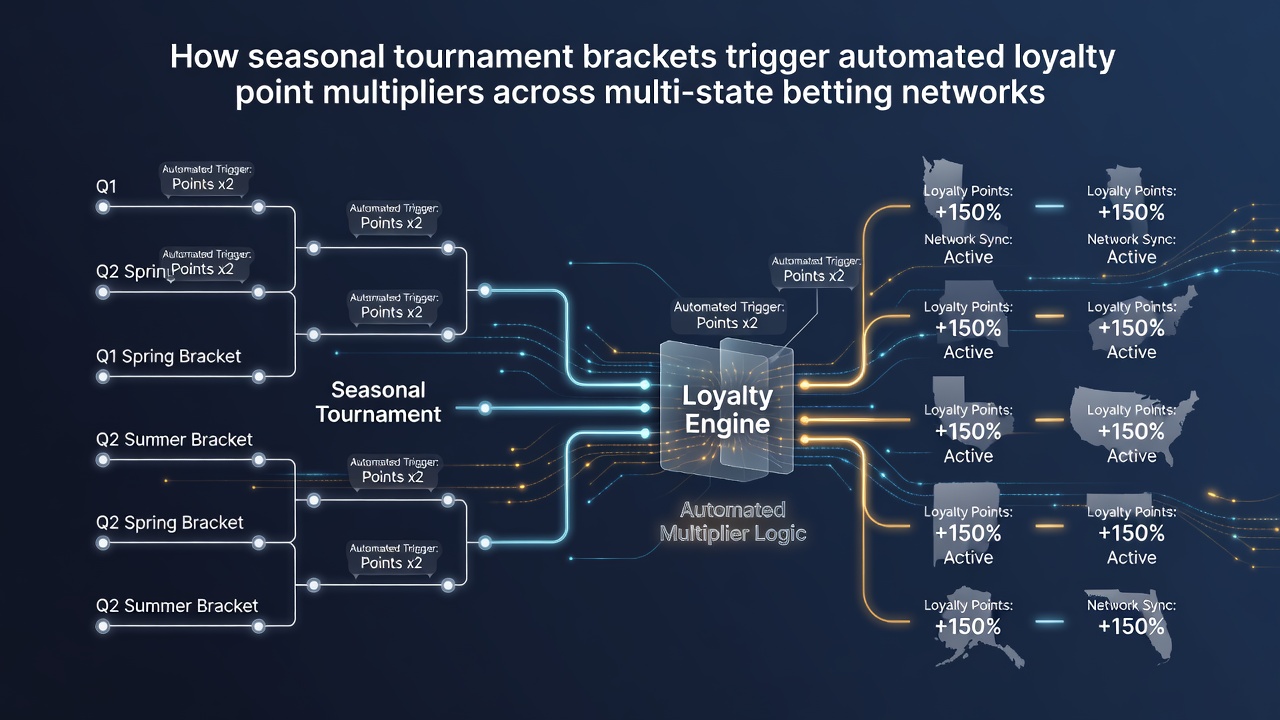
How Seasonal Tournament Brackets Trigger Automated Loyalty Point Multipliers Across Multi-State Betting Networks
Seasonal tournament brackets activate automated loyalty point multipliers through coordinated data feeds that link bracket submissions directly to bettor activity logs in multi-state networks, and these systems process entries in real time while syncing across jurisdictions that permit interstate wagering compacts. Observers note that operators rely on standardized bracket formats from events such as college basketball tournaments or professional football playoffs to flag qualifying periods, after which algorithms apply tiered multipliers ranging from 1.5x to 3x on accumulated points based on wager volume and frequency during those windows.
Bracket Integration with Betting Platforms
Operators integrate bracket entry portals with core wagering engines so that participants who complete brackets receive immediate profile tags that trigger multiplier rules, and data streams from these entries flow into loyalty databases without manual intervention. Researchers have documented how platforms pull bracket completion timestamps and match them against live event schedules, which allows the system to activate multipliers only during active tournament rounds while pausing them once brackets are eliminated. This process occurs across state lines through shared technology stacks that maintain separate compliance modules for each regulated market, ensuring that points earned in one jurisdiction receive the correct multiplier rate dictated by local rules.
Automated Multiplier Logic and Data Triggers
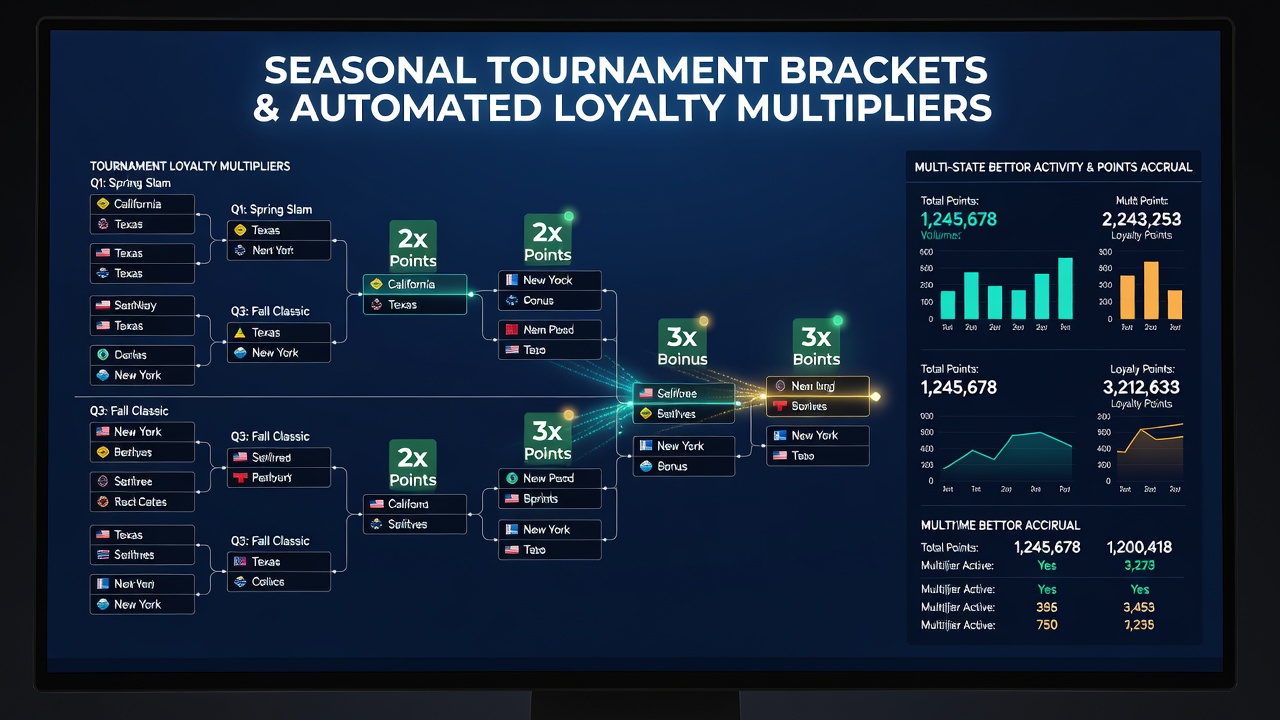
Algorithms evaluate bracket progress alongside betting patterns to determine multiplier eligibility, and the logic compares total handle during specified tournament phases against baseline periods to calculate uplift percentages. Figures from industry reports show that these multipliers often activate when a bettor places at least three qualifying wagers per round, after which the system retroactively applies the boost to points accumulated since bracket submission. Those who monitor these networks report that the automation reduces processing delays from days to seconds, enabling seamless point accrual even as users switch between mobile apps registered in different states.
Cross-Border Synchronization Mechanisms
Multi-state networks employ secure APIs to exchange loyalty data while preserving jurisdictional boundaries, and synchronization occurs at scheduled intervals that align with tournament milestones such as sweet sixteen or divisional championship rounds. According to reports from the American Gaming Association, these connections allow operators licensed in multiple states to apply consistent multiplier rules without violating individual state licensing terms. The architecture routes point calculations through centralized servers that apply state-specific filters before finalizing rewards, which prevents over-application of bonuses in stricter regulatory environments.
Role of Seasonal Timing and August 2026 Updates
Seasonal calendars dictate when brackets become active, with summer and early fall periods typically featuring baseball playoffs and golf majors that feed into the same automated frameworks used for winter sports. In August 2026, several networks completed software updates that incorporated additional bracket types from international events, expanding multiplier triggers to include soccer and tennis tournaments while maintaining compatibility with existing multi-state agreements. Data indicates these enhancements improved detection accuracy for bracket modifications, reducing instances where late entries failed to activate points boosts.
Regulatory Oversight and Compliance Layers
State gaming commissions require detailed audit trails for all automated multiplier events, and operators submit quarterly reports that detail how bracket data influences point calculations across their licensed markets. The Ontario Lottery and Gaming Corporation has published guidance on similar cross-jurisdictional systems that emphasizes verification steps to confirm multipliers apply only to eligible bettors. Compliance teams review these logs to ensure that seasonal triggers do not inadvertently extend rewards beyond permitted geographic zones, and they coordinate with technology vendors to adjust algorithms when new tournament formats emerge.
Conclusion
Seasonal tournament brackets continue to serve as reliable entry points for automated loyalty multipliers because their structured timelines align neatly with the data requirements of multi-state betting networks. The combination of real-time bracket tracking, algorithmic evaluation, and synchronized compliance modules allows operators to deliver consistent rewards while meeting regulatory standards in each participating state. As tournament calendars evolve, these systems adapt through periodic updates that preserve the core linkage between bracket participation and point acceleration.