How Predictive Analytics Refine Risk Assessment Protocols at Digital Wagering Platforms
Written by Vera Vogel · Aug 23, 2026
How Predictive Analytics Refine Risk Assessment Protocols at Digital Wagering Platforms
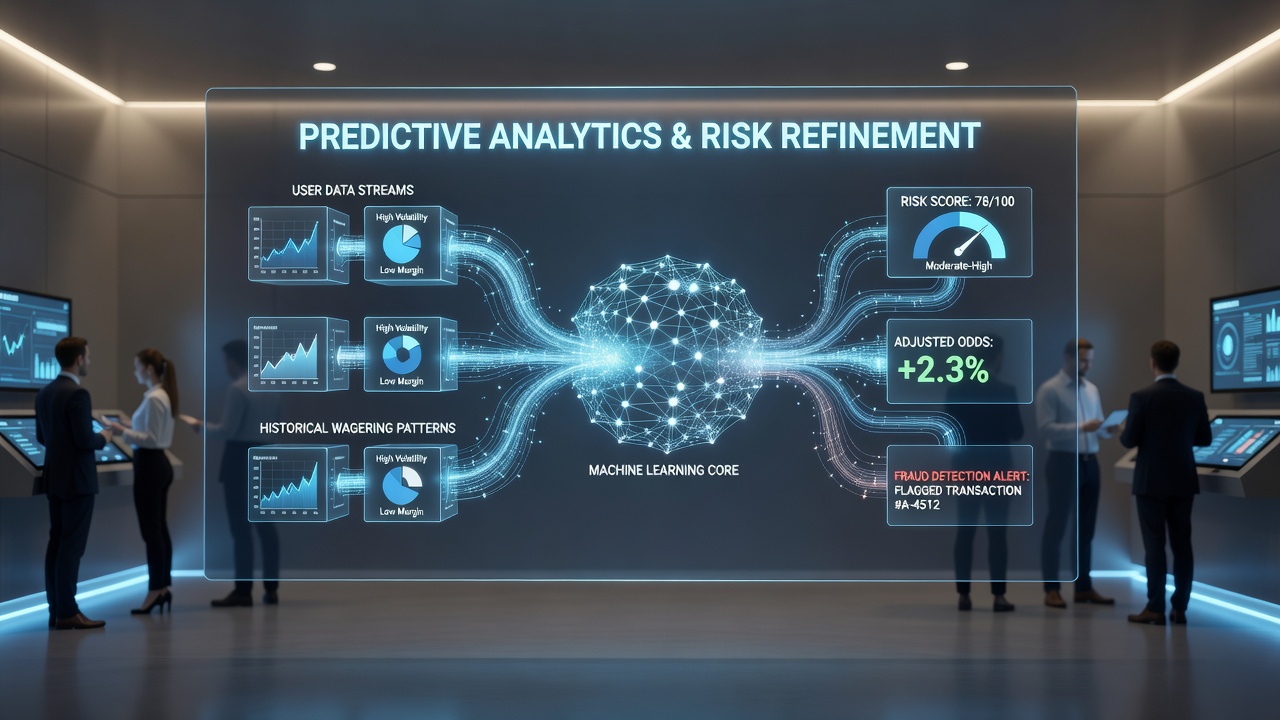
Digital wagering platforms now rely on predictive analytics to sharpen risk assessment protocols, pulling together transaction histories, betting patterns, and external data streams into models that flag anomalies faster than manual reviews ever could. Operators feed these systems with millions of data points each day, allowing algorithms to calculate probabilities around account behavior, payment flows, and potential compliance triggers.
Data Integration Across Platforms
Platforms collect structured data from user registrations, live betting sessions, deposit and withdrawal records, plus unstructured inputs such as device fingerprints and geolocation logs. Researchers note that combining these streams creates richer profiles, letting models detect shifts in play velocity or unusual stake sizing that precede higher-risk events. In August 2026, several major operators reported expanded use of real-time APIs that pull in market data alongside player activity, tightening the window between observation and action.
Those who study these systems observe that early integration efforts focused on historical records alone, whereas current setups incorporate live feeds from sports data providers and payment processors. This shift reduces lag time, because models now update risk scores continuously rather than at batch intervals.
Algorithmic Approaches to Risk Scoring
Machine learning techniques such as gradient boosting and neural networks form the core of many risk engines. These models train on labeled datasets that include confirmed fraud cases, self-exclusion records, and regulatory filings. Observers note the models assign weighted scores to variables like rapid multi-account logins, sudden changes in preferred sports or bet types, and cross-border payment routing that deviates from established patterns.
One study from the University of Nevada, Las Vegas gaming research center highlighted how ensemble methods improve accuracy by blending outputs from separate classifiers, each tuned to different risk categories. Platforms apply these scores to trigger automated holds, enhanced verification requests, or referrals to responsible gaming teams before larger losses accumulate.
Fraud Detection and Account Security
Predictive systems excel at spotting coordinated betting rings or bonus abuse schemes by identifying clusters of accounts that share device characteristics or exhibit synchronized wager timing. Data shows detection rates for certain fraud typologies rising 30 to 40 percent after platforms deployed graph-based analytics that map relationship networks rather than isolated transactions.

Security teams receive prioritized alerts ranked by probability, allowing them to focus investigations where the models indicate highest confidence. Experts have observed that false positive rates drop when models receive regular retraining on fresh regulatory data, keeping pace with evolving tactics used by bad actors.
Regulatory Compliance and Responsible Gaming
Regulators in multiple jurisdictions require operators to demonstrate proactive risk controls, and predictive analytics supply auditable logs of automated decisions. According to reports from the American Gaming Association, platforms that document model performance metrics and bias testing achieve smoother licensing renewals. Similar frameworks appear in Australian state oversight, where operators submit periodic validation studies showing how algorithms align with harm minimization goals.
Systems also surface indicators of potential problem gambling earlier, such as escalating deposit frequency paired with declining win rates. Support staff then receive prompts to initiate contact or apply temporary limits, aligning with obligations set by bodies like the Canadian Gaming Association.
Performance Metrics and Ongoing Refinement
Operators track key performance indicators including precision-recall curves for fraud models, average time from alert to resolution, and downstream effects on player retention after interventions. Continuous monitoring reveals when external events, such as major sporting tournaments, alter baseline behaviors and require threshold adjustments. Those managing these platforms emphasize quarterly model audits that incorporate new data distributions to maintain reliability.
Conclusion
Predictive analytics have become embedded in the operational backbone of digital wagering risk protocols, driving faster identification of irregularities across fraud, compliance, and player protection domains. As data volumes grow and regulatory expectations evolve, platforms continue refining these tools through iterative testing and cross-industry data sharing initiatives that keep assessment methods aligned with actual market conditions.