How Audio Cues in App Interfaces Guide Timing Choices During Multi-Event Wagering Sessions
Written by Zoe Becker · Jul 12, 2026
How Audio Cues in App Interfaces Guide Timing Choices During Multi-Event Wagering Sessions
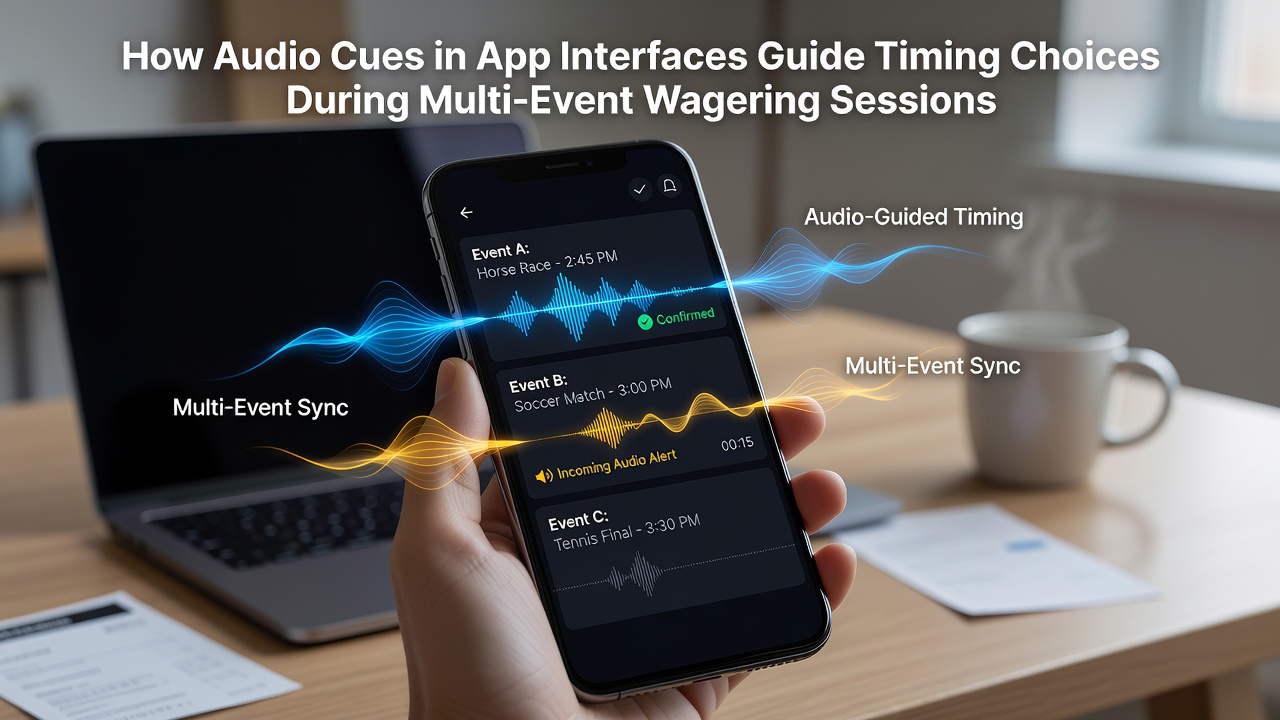
App developers integrate layered audio signals into wagering platforms to help users track simultaneous events without constant screen monitoring, and these cues range from subtle chimes marking odds shifts to distinct tones signaling the close of betting windows across multiple matches or races. Observers note that such design choices emerged as live multi-leg betting expanded in popularity, with platforms responding to increased user demand for real-time awareness during overlapping schedules like those seen in summer sports calendars.
Core Audio Elements in Betting Applications
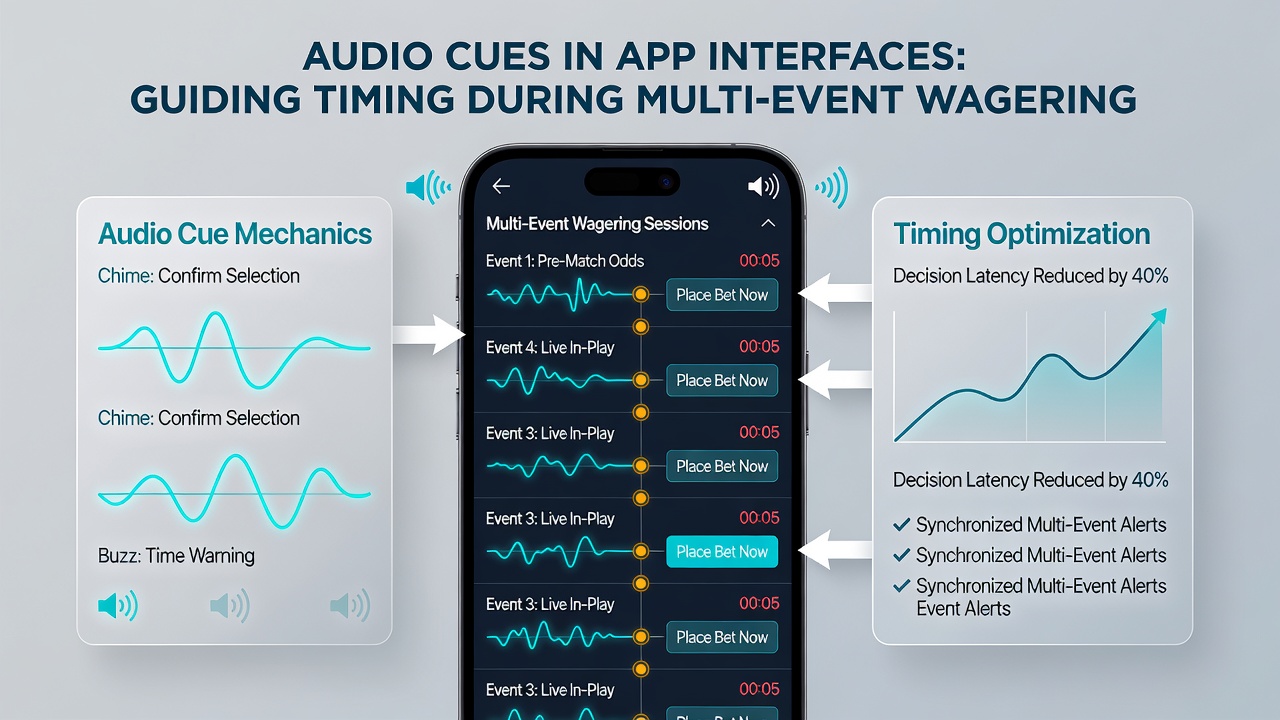
Design teams employ distinct sound categories that correspond to specific actions, including ascending tones for favorable odds movements, rapid pulses for impending event starts, and descending notes when time limits approach on parlay components. Research indicates these patterns reduce reliance on visual checks alone, allowing participants to maintain focus across several active wagers at once, while data from interface studies shows measurable improvements in response accuracy when audio layers accompany visual alerts.
Notification Patterns for Overlapping Events
Platforms structure audio sequences so that primary event alerts carry higher pitch and volume, whereas secondary matches use softer, shorter bursts that users can differentiate through repeated exposure. This hierarchy supports timing decisions by prioritizing which wager requires immediate attention, and experts have observed that such differentiation proves especially useful during condensed schedules where multiple leagues host games within the same evening window. According to findings from the American Gaming Association, operators reported increased session continuity when audio systems aligned with event timelines in 2025 testing phases.
Additional layers include confirmation sounds after bet placement and reminder pulses for unresolved legs, both calibrated to avoid overlap with primary event cues. Those who've examined app analytics note that users adjust their attention patterns based on these recurring signals, often completing adjustments seconds before deadlines that would otherwise require manual refreshing of multiple screens.
Influence on Decision Timing
Audio feedback loops shorten the interval between an event trigger and user action by providing immediate sensory input, and studies from human-computer interaction researchers demonstrate that combined audio-visual prompts yield faster reaction times than visuals alone during simulated multi-event scenarios. Platform logs reveal that bet modifications cluster around the moments these cues activate, suggesting the sounds serve as external timers that guide when users review or alter selections across concurrent events.
Regional regulatory bodies such as the Gambling Research Exchange Ontario have documented how standardized audio design contributes to clearer information delivery, particularly in jurisdictions where operators must meet accessibility standards for users managing several active positions. The patterns extend to volume scaling that matches ambient conditions, ensuring cues remain perceptible whether the device sits in a quiet room or a louder environment.
Adaptation Across Device Types
Mobile applications adjust audio delivery for different hardware profiles, routing high-priority tones through device speakers while routing confirmation signals to connected headphones when paired. This flexibility maintains cue effectiveness across sessions, and developers calibrate intensity levels based on aggregated usage data collected during peak multi-event periods such as championship weekends. Observers note that these adaptations help sustain user engagement through extended wagering sequences without requiring repeated visual confirmation of timers.
Integration with live data feeds means sounds trigger precisely when external events update, creating a synchronized experience that aligns auditory prompts with real-time developments in games or races. Evidence from platform metrics shows reduced instances of missed adjustment windows when such synchronization operates consistently, supporting smoother management of multi-leg wagers that span varying durations.
Conclusion
Audio cue systems in wagering interfaces continue to evolve alongside advances in live event streaming and multi-bet formats, providing structured auditory guidance that supports timing precision across simultaneous activities. Data collected through 2026 indicates ongoing refinement of these signals as operators respond to usage patterns in expanded markets, with design teams focusing on clarity and differentiation to accommodate growing volumes of concurrent events.