How Algorithmic Models Sync with Live Event Data Streams to Customize Reward Tiers at State-Approved Digital Wagering Hubs
Written by Vera Vogel · Jun 5, 2026
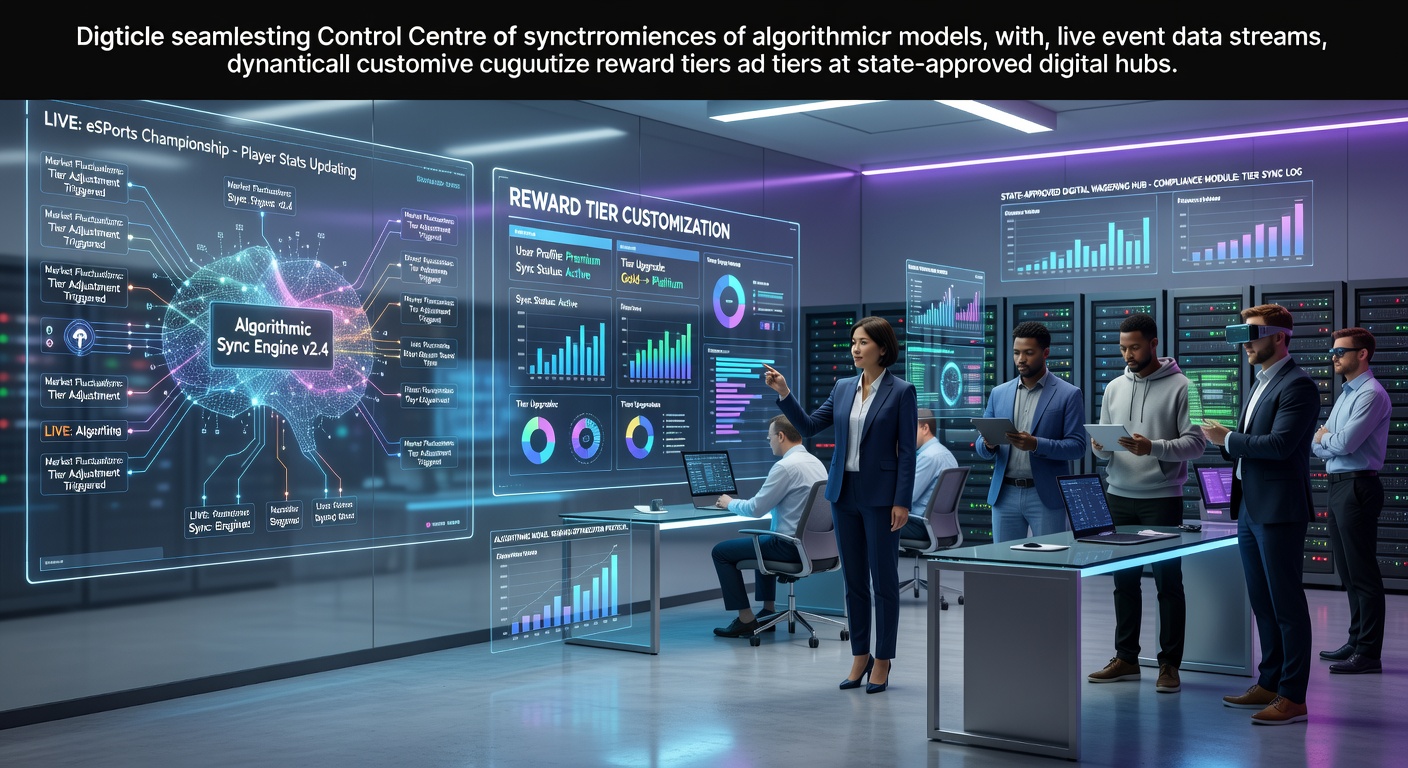
How Algorithmic Models Sync with Live Event Data Streams to Customize Reward Tiers at State-Approved Digital Wagering Hubs
State-approved digital wagering hubs rely on algorithmic models that pull continuous feeds from live event data streams, and these systems adjust reward tiers based on real-time player activity across sports betting, casino games, and other regulated offerings. Operators integrate multiple data sources including score updates, betting volumes, and user engagement metrics to recalibrate loyalty benefits such as bonus multipliers or tier progression thresholds. Researchers at institutions like the University of Nevada, Reno have documented how these integrations operate within frameworks set by bodies such as the Nevada Gaming Control Board, where compliance requirements shape the parameters for data synchronization.
Core Components of Data Stream Integration
Live event data streams originate from official sports leagues, game providers, and transaction logs that feed into centralized processing engines at licensed platforms. Algorithmic models parse these inputs through application programming interfaces that update every few seconds during active events, allowing reward calculations to reflect current conditions like a sudden surge in wagers on a particular outcome. Data shows that platforms in states such as New Jersey and Pennsylvania process millions of such data points daily, with synchronization occurring via cloud-based architectures that maintain low latency to avoid discrepancies between event developments and tier adjustments.
Those who've studied these systems note that models often employ machine learning techniques including reinforcement learning loops, where the algorithm tests reward modifications against historical player responses before applying them to active accounts. For instance, if a live basketball game enters overtime and betting activity spikes, the model may elevate certain users toward higher reward tiers by factoring in their recent wager frequency and session duration. External reports from the American Gaming Association highlight that similar processes support over 80 percent of mobile wagering sessions in regulated markets as of mid-2026.
Customization Mechanisms for Reward Tiers
Reward tier customization begins when the algorithmic model cross-references incoming data streams against predefined player profiles stored in secure databases. These profiles contain variables such as lifetime wager totals, preferred game types, and geographic eligibility verified through geolocation protocols. The system then applies weighted scoring functions that determine whether a user qualifies for an immediate tier upgrade, such as moving from standard to premium status with access to enhanced cashback rates or exclusive event invitations.
One documented case involves platforms operating under the oversight of the New Jersey Division of Gaming Enforcement, where algorithms dynamically scale rewards during high-profile events like major league playoffs. Data from June 2026 indicates that such adjustments occurred in response to elevated live betting volumes, with models allocating additional loyalty points to participants who maintained consistent activity levels amid fluctuating odds. The process avoids manual intervention by relying on automated thresholds that trigger once specific data criteria are met, ensuring consistency across thousands of concurrent users.
Regulatory and Technical Safeguards
State regulations mandate that these algorithmic processes undergo regular audits to confirm fairness and data accuracy, with independent testing labs verifying that reward customizations do not exceed authorized promotional limits. Observers note that integration points between data streams and models must incorporate encryption protocols and access controls to protect sensitive user information throughout the synchronization cycle. Industry reports from sources like the Canadian Gaming Association reveal parallel approaches in provinces with established online wagering frameworks, where similar algorithmic oversight prevents unauthorized tier manipulations.
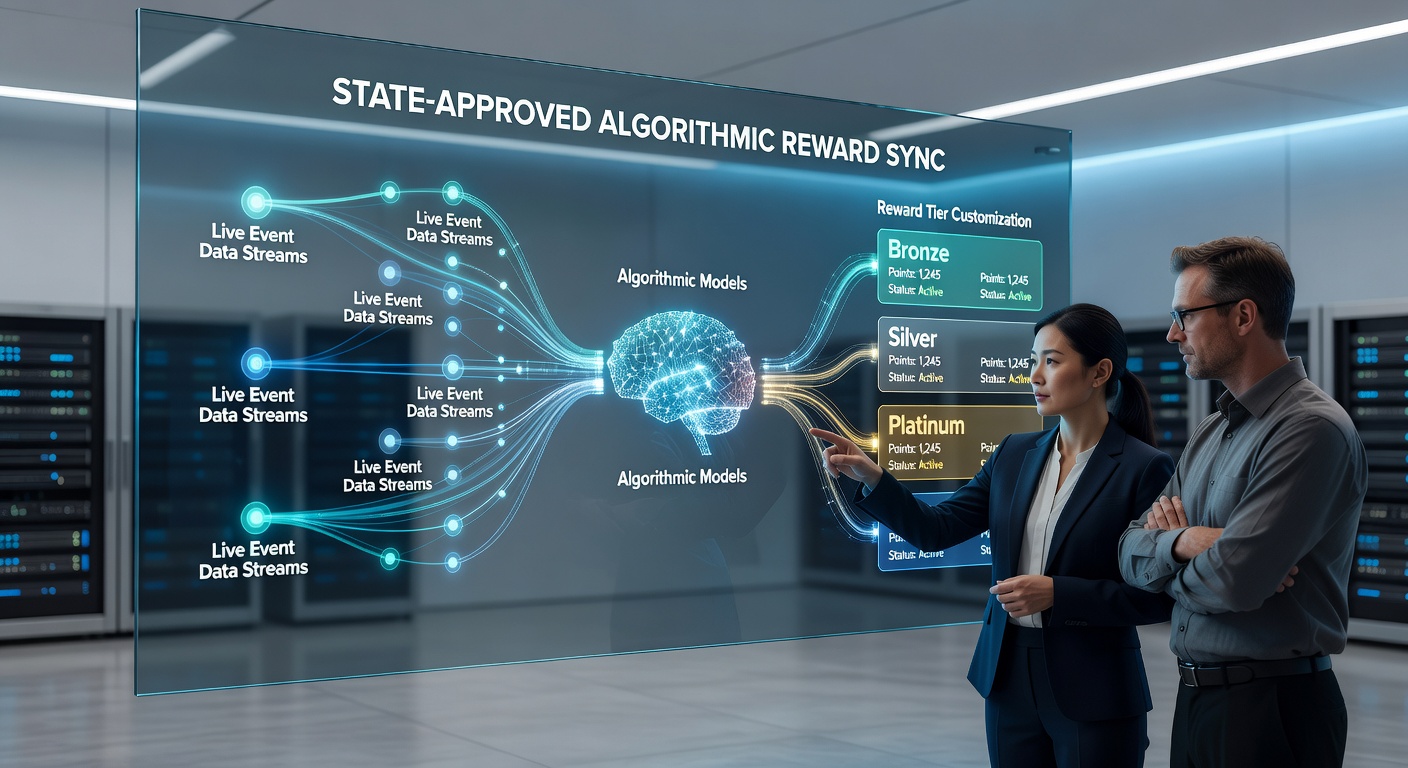
What's significant is how these safeguards extend to error-handling routines that pause tier adjustments if data integrity checks fail during peak event periods. Experts have observed that fallback mechanisms revert to baseline reward structures until streams stabilize, a practice that aligns with guidelines from regulatory agencies across multiple jurisdictions. In practice, this creates a layered verification sequence where each synchronization step includes timestamp validation to match event timelines precisely.
Performance Metrics and Operational Patterns
Operational data collected through June 2026 shows that algorithmic synchronization reduces average reward processing times from minutes to under 10 seconds in many implementations. Metrics tracked by platform operators include synchronization success rates above 99 percent during live events, alongside user retention figures that correlate with timely tier customizations. Research indicates that models trained on aggregated anonymized datasets improve prediction accuracy for player preferences, allowing more precise allocation of rewards without overextending promotional budgets.
Take one regional operator in Michigan that adjusted its systems to handle concurrent streams from multiple sports, resulting in measurable increases in tier progression among active accounts. The approach combines batch processing for historical data with real-time pipelines for live inputs, creating a hybrid structure that supports both immediate adjustments and long-term trend analysis. Figures from state gaming reports confirm that these patterns hold across approved platforms, where algorithmic reliability directly influences compliance scores during periodic reviews.
Future Developments in Synchronization Technology
Emerging advancements focus on expanding data stream compatibility to include additional event types such as esports competitions and virtual simulations now appearing in regulated markets. Algorithmic models continue to incorporate edge computing elements that localize processing closer to data sources, further shortening response intervals for reward updates. Those monitoring the sector report ongoing collaborations between technology providers and state regulators to standardize data formats, which would streamline integrations across different hub operators.
Conclusion
The synchronization of algorithmic models with live event data streams forms a foundational element of reward tier management at state-approved digital wagering hubs. Through continuous data ingestion, weighted scoring, and regulatory-compliant automation, these systems deliver customized benefits that align with player activity in real time. As platforms evolve through 2026 and beyond, the emphasis remains on maintaining secure, audited processes that support both operational efficiency and adherence to jurisdictional standards.