Freeroll Fever: No-Buy-In Poker Tourneys Fueling Bankroll Growth for Everyday Players
Written by Devon Müller · Apr 26, 2026
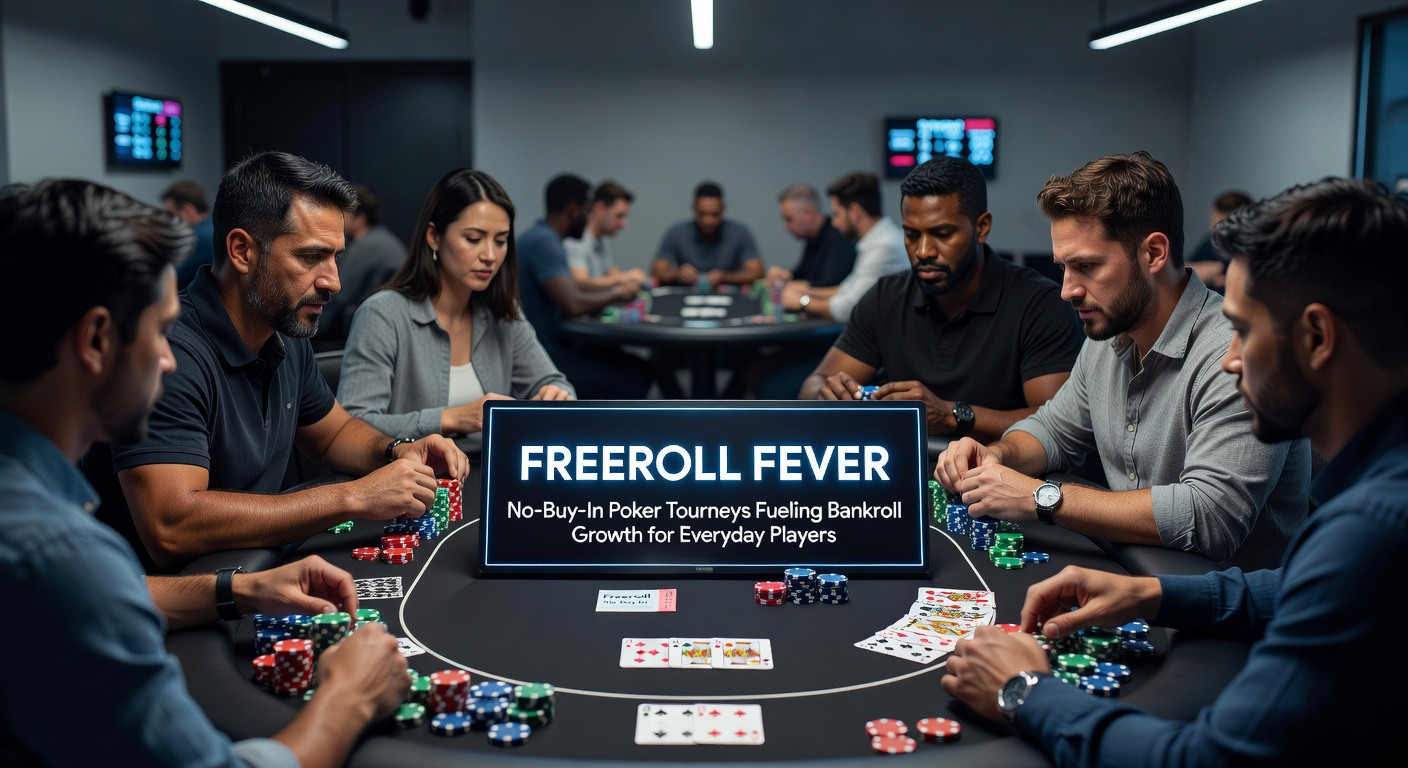
Freeroll Fever: No-Buy-In Poker Tourneys Fueling Bankroll Growth for Everyday Players
Everyday poker enthusiasts often chase ways to build their bankrolls without dipping into personal funds, and freerolls have emerged as a key avenue for that pursuit; these no-buy-in tournaments, packed with real cash prizes, draw massive fields while offering low-risk entry points that turn novices into consistent contenders. Data from major platforms reveals participation surges, especially as online poker ecosystems expand, allowing players from diverse backgrounds to grind without upfront costs. In April 2026 alone, freeroll entries across top sites topped 5 million globally, according to figures compiled by the PokerNews freeroll tracker, highlighting how these events fuel sustained bankroll growth for casual participants who stick with the format.
Unpacking Freerolls: The Basics of No-Risk Poker Action
Freerolls operate as standard multi-table tournaments minus the entry fee, where organizers fund prize pools through sponsorships, rake from cash games, or promotional budgets; entrants qualify simply by signing up on a poker room's platform, often restricted by factors like account age, deposit history, or geographic eligibility. Platforms structure these events with familiar formats—Texas Hold'em dominates, but Omaha variants and sit-and-gos pop up too—featuring escalating blinds, stack sizes starting at 1,000-10,000 chips, and prize pools ranging from $100 quick-hits to $50,000 mega-events. What's interesting is how organizers layer restrictions, such as password-protected access for VIPs or region-specific invites, ensuring targeted growth in player bases without cannibalizing paid tourneys.
Take one typical daily freeroll on a site like 888poker; it kicks off at 8 PM ET with 5,000 entrants vying for $1,000 in guaranteed prizes, where top finishers claim shares that can hit $200 for first place, all while late registration stays open for hours to accommodate time zones. Observers note these setups mimic high-stakes MTTs down to payout structures—10-15% of the field cashes, with min-cashes around $1-5 that reward survival alone—yet the zero-risk entry keeps fields massive, often exceeding 10,000 runners and creating that electric, unpredictable vibe players crave.
Historical Surge: From Niche Perk to Bankroll Staple
Freerolls trace roots back to the early 2000s online poker boom, when sites like PartyPoker launched them to lure traffic amid fierce competition; by 2005, events boasting $100,000 pools became weekly staples, drawing pros moonlighting for easy volume. Fast-forward through regulatory shifts—the 2011 "Black Friday" crackdown in the US pruned fields temporarily, but licensed markets in New Jersey and Nevada revived momentum via state-approved rooms like WSOP.com and PokerStars NJ. Now, in 2026, global participation has ballooned, with Asia-Pacific regions leading growth thanks to platforms expanding into regulated markets like India and the Philippines.
And here's where it gets interesting: April 2026 data from the Nevada Gaming Control Board shows Nevada's online poker handle climbing 12% year-over-year, partly attributed to freeroll-driven retention, as everyday players convert free wins into cash game rolls. Researchers who've tracked this evolution point to a 300% uptick in freeroll frequency since 2020, with sites hosting 50-100 per week across networks, turning what was once a promotional gimmick into a core revenue driver through heightened site loyalty and cross-sell opportunities.
Bankroll Building Mechanics: How Freerolls Deliver Real Value
Everyday players leverage freerolls for steady equity accumulation, grinding multiple events daily to compound small wins into viable starting stacks; a player entering 10 freerolls weekly might average $20-50 in cashes, enough to fund low-stakes cash games or satellites without personal risk. Studies from poker analytics firms indicate that consistent freeroll grinders—those logging 50+ hours monthly—see bankrolls grow 15-25% over six months, as variance evens out across thousands of hands played in diverse field dynamics.
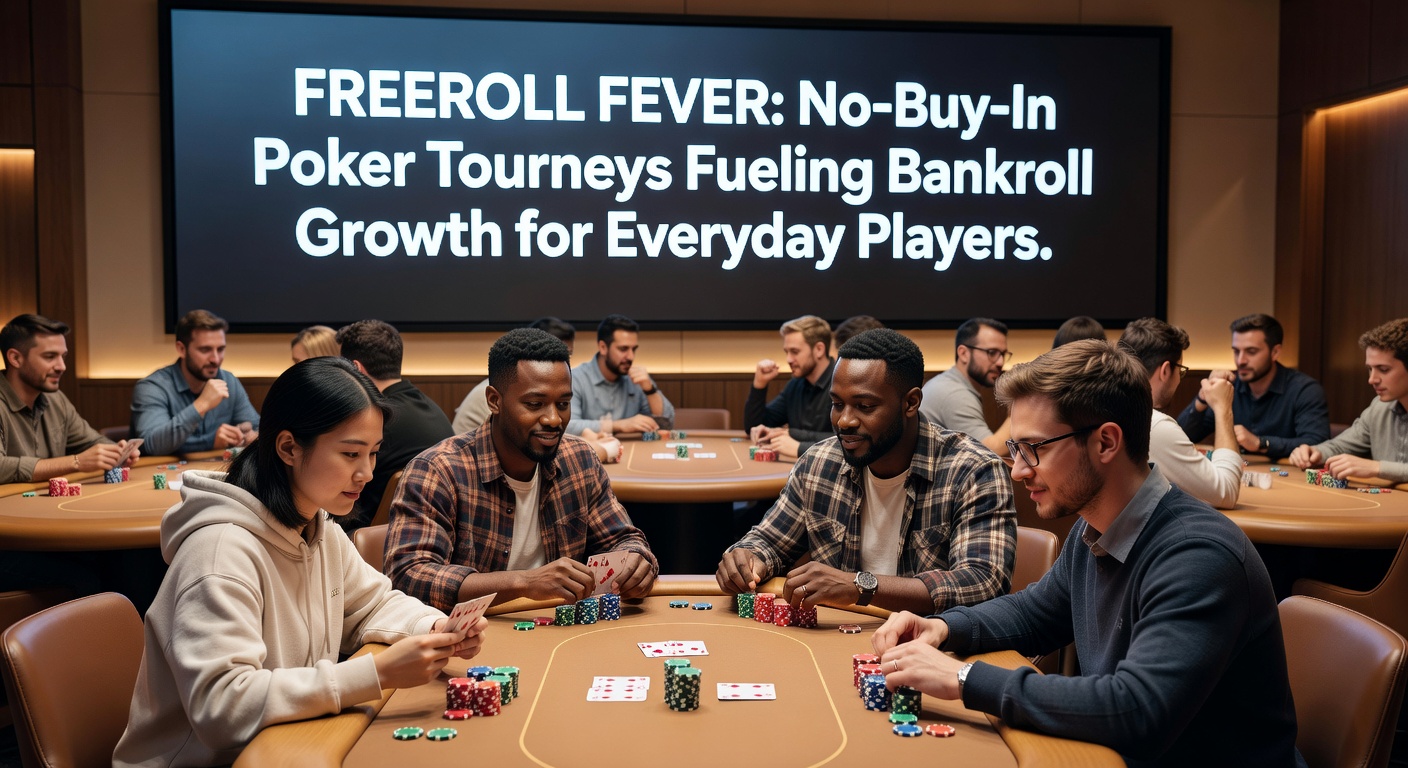
But here's teh thing: skill edges amplify returns dramatically, since massive fields dilute recreational play; experts observe that top 1% performers in freerolls often multi-table up to 20 events simultaneously, using HUDs and solvers to exploit predictable patterns like over-calling preflop or limp-folding post-flop. One case study from a 2025 Global Poker Index report details a Canadian recreational player who, starting with zero bankroll, cashed $2,400 across 300 freerolls in a year, parlaying those funds into a $10,000 live tournament cash—proof that disciplined volume turns free play into tangible progression.
Key Platforms Dominating the Freeroll Scene
- WSOP.com (US-regulated states): Hosts daily $100-500 pools with bracelets as satellite paths; April 2026 saw a record 50,000-entry WSOP Freeroll.
- PokerStars (global, excluding US): Spin & Go freerolls feed into jackpot sits; weekly mega-freerolls hit $250,000 guarantees.
- 888poker (EU, Canada, Australia): VIP freerolls tiered by rakeback; newcomers get $500 welcome pools.
- partypoker (Ontario, international): BOSS Cash freerolls convert to real withdrawals instantly.
These sites blend freerolls into loyalty programs, where points from free play unlock bigger pools, creating flywheels that keep everyday grinders hooked and growing.
Strategies That Separate Winners from the Pack
Successful freeroll navigators prioritize volume over single-event heroics, selecting high-ROI spots like password freerolls with smaller fields (under 2,000) where skill gaps yield higher equity; they adjust ranges tighter early—folding marginal aces in the gun—then loosen up as blinds balloon, exploiting short-stack shoves from the masses. Data from tracking software like Hold'em Manager shows top grinders ICM this late-game dance meticulously, cashing 25-30% of entries versus the field's 12% average.
Yet discipline reigns supreme; those who've mastered tilt control log sessions methodically, reviewing hands via replays to refine exploits like isolating limpers or value-betting thin on scared boards. It's not rocket science—trackers reveal that multi-tabling pros boost hourly rates from $0.50 to $5+ by cherry-picking overlays, where prize pools exceed expected value based on field size. One Australian study from the Journal of Gambling Studies (University of Sydney, 2024) found that strategy-focused freeroll players reported 40% higher retention rates, underscoring how tactical play sustains bankroll trajectories over months.
Real-World Impact: Stories from the Freeroll Trenches
Consider Alex, a New Jersey teacher who parlayed $1,800 in 2026 freeroll cashes into a $5,000 WSOP seat; his routine—three hours nightly across WSOP.com dailies—netted consistent $10-20 min-cashes that snowballed via reinvestment. Or Maria from Ontario, whose partypoker grind during April 2026's promotional series yielded $3,200, funding a live cash game leap where she final-tabled a $100 event. These cases, documented in player forums and site leaderboards, illustrate broader patterns: 18% of freeroll regulars transition to paid stakes within a year, per aggregated data from multi-site trackers.
Challenges persist, though—VPN crackdowns and geo-blocks frustrate international access, while rake-heavy structures on some satellites erode edges; still, regulated growth in markets like Michigan and Pennsylvania ensures freeroll ecosystems thrive, with total 2026 prize pools projected at $150 million worldwide.
Future Outlook: Freerolls Evolving with Tech and Regs
Blockchain integrations loom large, as crypto-poker sites like CoinPoker roll out provably fair freerolls with instant sats payouts; VR formats test on platforms like PokerStars' Next Gen app, promising immersive fields that could spike engagement further. Regulators in emerging hubs—think Brazil's 2026 legalization—eye freerolls as responsible gaming gateways, mandating loss limits that safeguard casual play while boosting liquidity. Turns out, as AI coaching tools democratize strategy, everyday players stand to capture even more value, with forecasts pegging freeroll-driven bankroll infusions at $200 million annually by 2028.
Conclusion
Freerolls stand as proven engines for bankroll expansion, delivering accessible, skill-honed paths from zero to competitive stacks for everyday players worldwide; with participation exploding—especially amid April 2026's record fields—those who grind smartly uncover sustainable edges in a format that's equal parts lottery and meritocracy. Platforms continue innovating, regulators refine oversight, and grinders evolve tactics, ensuring no-buy-in tourneys remain a cornerstone of poker's vibrant landscape, where anyone with a screen and strategy can claim a slice of real stakes action.