Decoding the synchronization between live sports data feeds and dynamic bonus allocation algorithms at certified platforms
Written by Vera Vogel · Jul 7, 2026
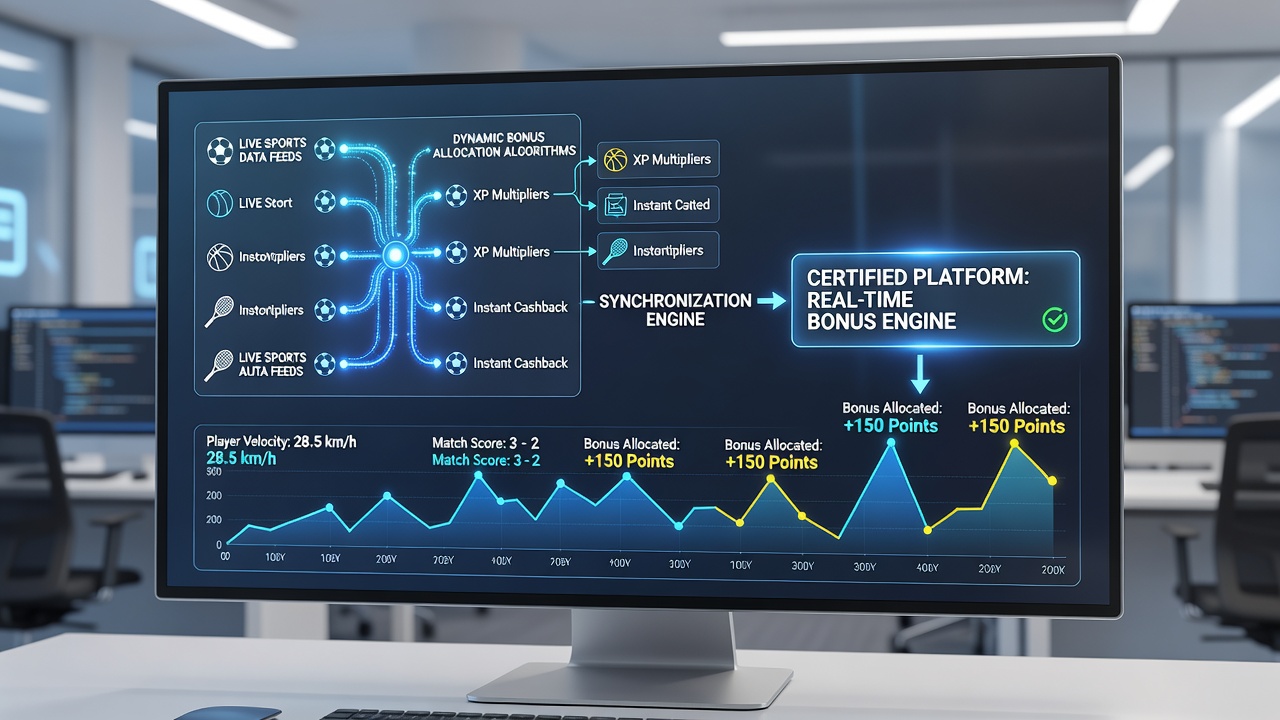
Decoding the synchronization between live sports data feeds and dynamic bonus allocation algorithms at certified platforms
Live sports data feeds deliver continuous streams of event information including scores, player statistics, and game timestamps directly from official sources to certified betting platforms, while dynamic bonus allocation algorithms process those inputs to adjust promotional offers in real time. This synchronization allows platforms to respond to unfolding matches with personalized incentives such as boosted odds or free bet credits tied to specific outcomes, and operators maintain compliance through certified systems that log every data transaction and allocation decision.
Core Components of Live Data Integration
Certified platforms receive feeds from established providers that aggregate information across major leagues and tournaments, transmitting updates at intervals measured in milliseconds to minimize delays between on-field events and system responses. Data packets contain structured elements like team lineups, possession metrics, and injury reports, which algorithms then cross-reference against user profiles to determine eligibility for tiered rewards. Observers note that platforms operating under state licenses in multiple jurisdictions must verify feed accuracy through redundant sources before triggering any bonus mechanics, a process that reduces discrepancies during high-volume events such as playoffs or international competitions.
Integration occurs through API endpoints that platforms configure to accept standardized formats, enabling seamless ingestion even when multiple sports run concurrently. Research from industry technology assessments indicates that latency below 500 milliseconds supports reliable synchronization, and operators achieve this threshold by deploying edge computing nodes closer to data origins. In July 2026 several platforms reported upgrades to these nodes following expanded coverage of summer leagues, resulting in more consistent bonus triggers across mobile and desktop interfaces.
Algorithmic Logic for Dynamic Allocations
Dynamic algorithms apply rule sets and machine learning models that weigh incoming data against historical user behavior patterns to allocate bonuses proportionally to engagement levels. For instance, a sudden goal in a soccer match might activate a limited-time credit for users who placed pre-match wagers on related markets, with the system calculating amounts based on stake size and account tier. Those who have studied these systems describe the models as combining deterministic thresholds with probabilistic forecasts, allowing adjustments that reflect both current match momentum and projected platform revenue targets.
Allocation rules incorporate regulatory caps on promotional values per user session, ensuring that automated decisions remain within limits set by licensing authorities. Data shows that platforms refresh model parameters daily using aggregated anonymized transaction logs, which helps refine predictions without exposing individual details. This iterative training supports personalization while platforms document every parameter change for audit trails required by oversight bodies.
Synchronization Mechanisms and Technical Safeguards
Real-time synchronization relies on event-driven architectures where data arrival events immediately queue algorithm evaluations, bypassing slower batch processing cycles. Platforms implement heartbeat signals and checksum validations to confirm that feeds remain intact and unaltered during transmission, while fallback protocols switch to secondary providers if primary streams experience interruptions. Experts have observed that these safeguards prove essential during peak periods when simultaneous events generate thousands of data points per minute.

Encryption protocols secure the data pipeline from origin to allocation engine, and access controls restrict algorithm modifications to authorized personnel only. Figures from technology integration reports reveal that platforms adopting containerized microservices achieve higher uptime rates for these pipelines compared with monolithic setups, because individual components can restart independently without halting bonus operations across the board. Certified environments further require third-party penetration testing at regular intervals to verify that synchronization points resist external interference.
Regulatory Oversight Across Jurisdictions
State and national regulators mandate that synchronization processes undergo independent certification before platforms launch new bonus features, with testing protocols that simulate edge cases such as delayed feeds or conflicting data points. According to the American Gaming Association, operators must demonstrate that algorithms apply rules uniformly and do not favor any user segment unfairly, a requirement that extends to documentation of all decision trees used in allocation logic. Platforms in regions including Australia and several Canadian provinces follow comparable standards, submitting synchronization logs during license renewals to confirm ongoing compliance.
Cross-border operators reconcile differing reporting formats by maintaining centralized compliance dashboards that map local requirements to unified data schemas. This approach allows consistent monitoring while accommodating jurisdiction-specific bonus restrictions, such as maximum payout multiples or cooldown periods between offers. Research papers from academic institutions studying digital wagering ecosystems highlight that transparent logging of feed-to-allocation pathways assists regulators in identifying anomalies quickly during routine reviews.
Conclusion
The synchronization between live sports data feeds and dynamic bonus allocation algorithms forms a technical backbone for certified platforms seeking to deliver responsive promotions while meeting regulatory standards. Continuous feed validation, algorithmic rule enforcement, and documented audit trails together create systems that adapt to live events without compromising operational integrity. As platforms expand coverage and refine models, the emphasis remains on verifiable processes that align data inputs with allocation outputs across all supported markets.