Decoding Payout Timeline Variations in Mobile Betting During High-Demand Periods
Written by Sofia Lang · Jun 21, 2026
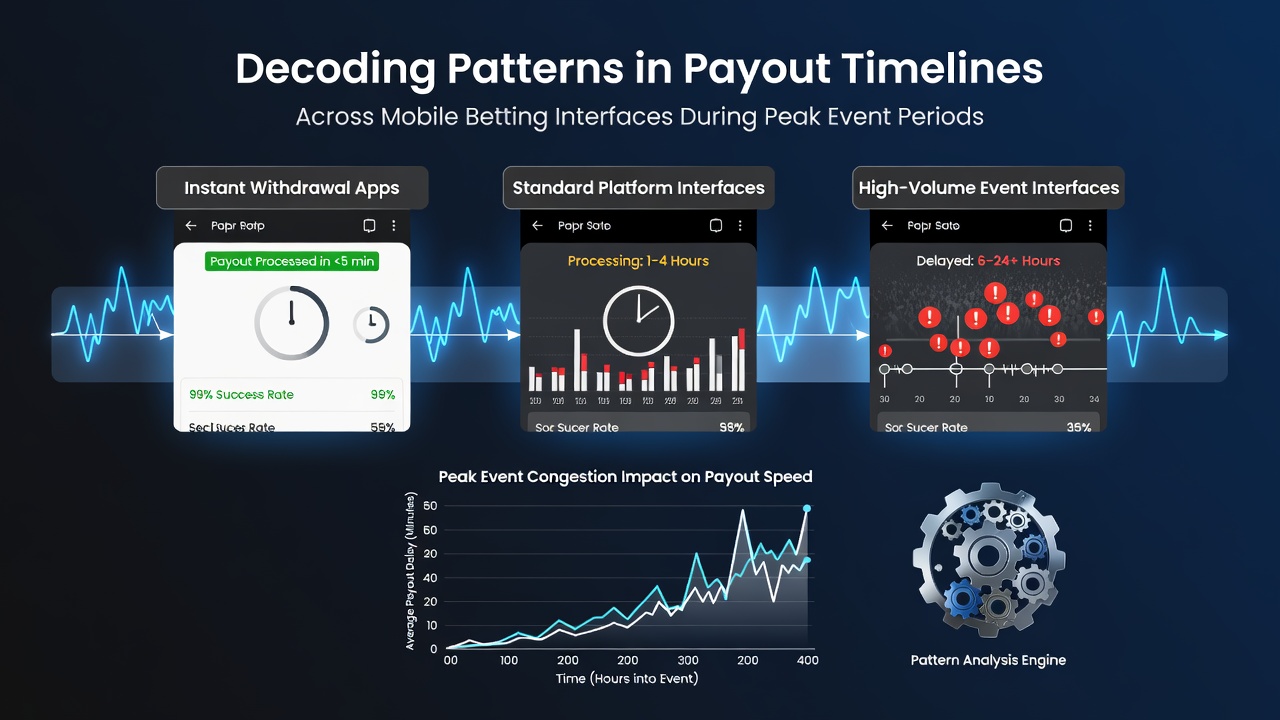
Decoding Payout Timeline Variations in Mobile Betting During High-Demand Periods
Patterns emerge when observers examine how payout timelines shift across mobile betting platforms during periods of intense activity such as championship games or major tournaments, and data from multiple jurisdictions reveal consistent differences tied to interface design, payment processing routes, and server load management. Researchers at institutions tracking digital wagering note that these variations become most pronounced when transaction volumes spike, often stretching standard processing windows from minutes into hours depending on the specific app architecture and backend integrations in use.
Key Influences on Processing Speed
Interface type plays a central role because native applications built with direct API connections to banking partners tend to route withdrawal requests faster than web-based versions that rely on intermediary layers for security checks. Studies from the New Jersey Division of Gaming Enforcement show that during high-volume windows, apps using streamlined verification sequences complete payouts in under 30 minutes for verified users while hybrid interfaces handling the same requests average closer to two hours when authentication queues build up. Payment method selection further modifies outcomes since e-wallet transfers bypass traditional bank rails in many cases whereas credit card reversals trigger additional compliance reviews that extend timelines across all platforms examined.
Regional Data and Peak Event Observations
Evidence from Canadian provincial regulators and Australian state gaming commissions indicates similar load-related slowdowns occur regardless of geography yet the magnitude differs by regulatory framework. Ontario's iGaming market reports, for instance, document that payout requests submitted through certain mobile interfaces during playoff series in 2025 clustered around 45-minute medians for instant methods but stretched beyond four hours for wire transfers when daily volumes exceeded typical thresholds by 300 percent. In June 2026 observers expect comparable pressures during overlapping international events because historical figures reveal that simultaneous demand from multiple sports creates bottlenecks not present during single-league peaks.
What's interesting is how some platforms incorporate predictive scaling that pre-allocates processing capacity based on scheduled event calendars while others react only after thresholds are crossed. This distinction produces measurable gaps in average completion times according to aggregated transaction logs shared across industry research groups.
Interface-Specific Patterns
Analysts comparing leading mobile applications find that those employing real-time balance reconciliation finish withdrawals more reliably under stress because they reduce the number of manual interventions required. One study tracking user sessions during the 2025 Super Bowl period found that interfaces with embedded fraud-detection algorithms processed 78 percent of requests within the first hour whereas lighter-weight designs without such features saw only 52 percent meet the same benchmark. The differences persist even when identical payment providers are used which points to front-end design choices as a primary driver rather than external banking factors alone.
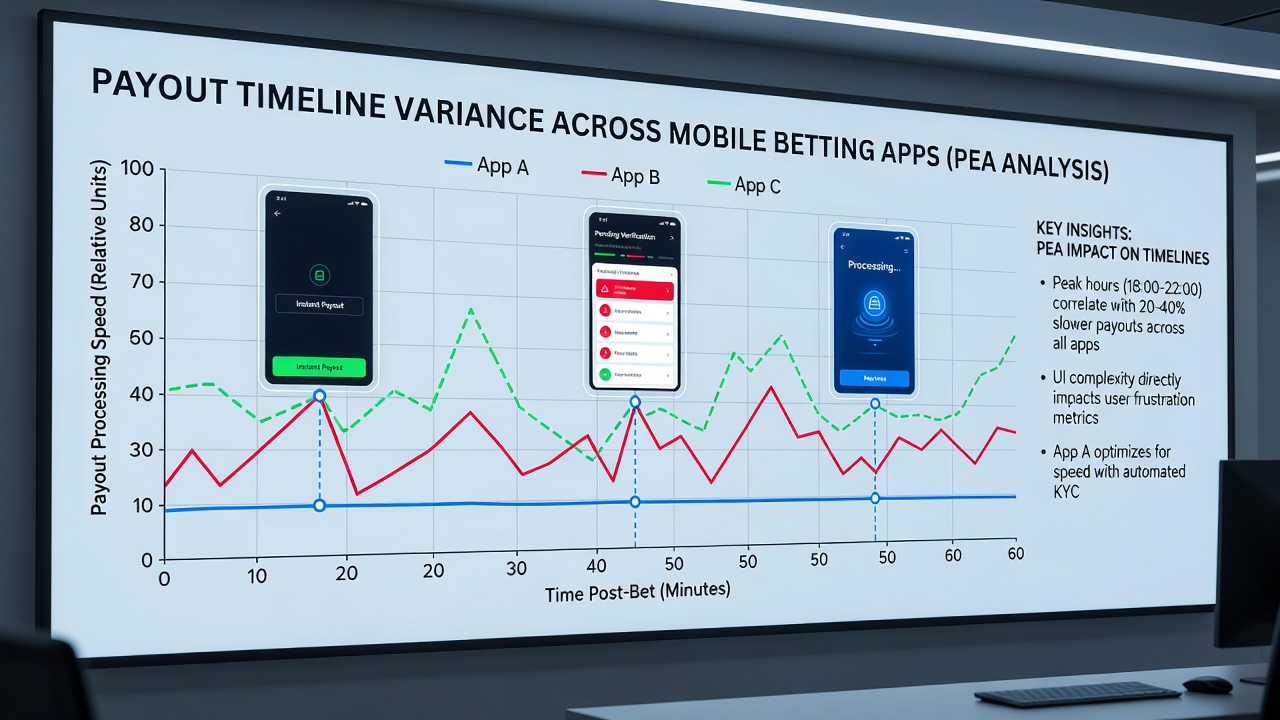
Those who've examined logs from multiple operators note that progressive web apps sometimes outperform dedicated native clients when network conditions fluctuate because they offload certain verification steps to cloud services that scale more dynamically. Conversely, native apps with heavy local caching can encounter delays if cached data requires refreshing during sudden volume surges, creating temporary stalls that compound across thousands of simultaneous users.
Payment Method Interactions
Bank transfers, cryptocurrency options, and prepaid vouchers each interact differently with mobile interfaces under load because their settlement protocols vary in complexity. Data compiled by the European Gaming and Betting Association reveals that cryptocurrency payouts maintain steadier timelines across platforms during peaks since blockchain confirmations operate independently of traditional financial system congestion, yet they still show interface-dependent variations in the initial approval stage. Traditional methods, meanwhile, exhibit greater sensitivity to the number of concurrent requests because they route through centralized clearing houses that impose their own throttling mechanisms when volumes rise.
Observers tracking these metrics emphasize that the combination of interface and method produces the most accurate predictions of completion time rather than either factor in isolation. For example, a single app may deliver rapid e-wallet payouts but slower card settlements while a competing interface reverses that pattern based on its specific integration priorities.
Conclusion
Patterns in payout timelines across mobile betting interfaces during peak event periods reflect measurable interactions between design choices, payment rails, and system capacity planning as documented in regulatory reports and transaction analyses from multiple markets. Continued monitoring of these variables allows operators and users alike to anticipate delays and select processing routes accordingly when major events drive elevated activity levels.