Decoding Compliance Software's Influence on Layered Incentive Eligibility at Regulated Wagering Sites
Written by Henrik Flores · Jul 19, 2026

Decoding Compliance Software's Influence on Layered Incentive Eligibility at Regulated Wagering Sites
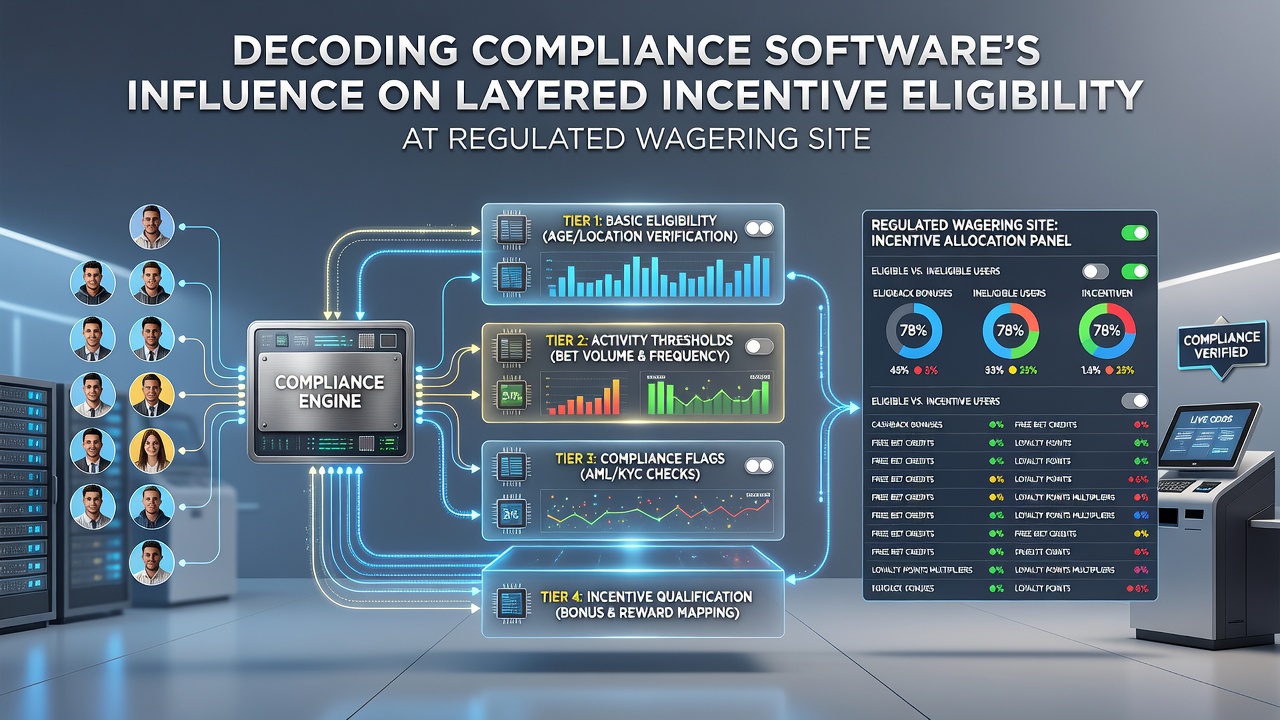
Compliance software plays a central role in determining which players qualify for multi-tiered rewards at state-licensed wagering platforms, and operators integrate these systems to align promotional structures with regulatory mandates. Data from multiple jurisdictions shows that automated verification processes scan user activity, deposit patterns, and identity records before unlocking higher reward tiers, while the software flags discrepancies that could violate eligibility rules. In July 2026 several platforms reported expanded use of these tools following updates from state regulators that required real-time compliance audits for all bonus programs.
How Automated Checks Shape Tier Access
Systems from vendors such as those adopted by New Jersey operators cross-reference player accounts against exclusion lists and spending thresholds before advancing users to elevated incentive levels. Researchers at the University of Nevada, Reno documented cases where eligibility for second-tier cashback offers hinged on successful completion of automated KYC refreshes that occurred within seconds of a qualifying wager. The process connects deposit history, game-type restrictions, and geographic permissions into a single eligibility score that updates continuously.
Operators in Pennsylvania and Michigan began rolling out similar modules during the first half of 2026, and reports indicate that platforms reduced manual reviews by 62 percent once the software handled initial tier unlocks. Yet the same data streams also blocked access for accounts that triggered velocity limits or mismatched device fingerprints, demonstrating how the technology enforces both security and fairness criteria simultaneously.
Integration with Regulatory Reporting Requirements
Compliance platforms feed directly into state-mandated reporting portals, so every tier advancement generates an auditable record that regulators can query. The New Jersey Division of Gaming Enforcement published aggregate figures showing that automated incentive tracking captured 94 percent of all reward redemptions across licensed mobile apps in the second quarter of 2026. This level of granularity allows authorities to verify that promotional offers do not circumvent self-exclusion protocols or exceed advertising guidelines.
Meanwhile, the Victorian Commission for Gambling and Liquor Regulation in Australia has required licensed operators to maintain comparable audit trails since 2024, and several U.S. vendors now export the same data formats for cross-border compliance testing. The result is a standardized pipeline where incentive eligibility decisions remain visible to oversight bodies without requiring separate manual submissions.
Case Examples from Operational Platforms
One Midwest sportsbook operator implemented a rules engine that automatically downgraded accounts showing rapid deposit-withdrawal cycles before they reached the top loyalty bracket. Internal logs reviewed by independent auditors revealed that the software prevented 1,847 ineligible tier advancements between January and June 2026. A separate East Coast casino group linked its mobile app rewards to geofenced compliance checks that confirmed users remained within approved state boundaries at the moment of tier qualification.
These examples illustrate how the technology layers multiple data points, identity verification, transaction velocity, location data, and exclusion status, into a single decision gate. Observers note that platforms adopting such integrated systems report fewer disputes over denied bonuses because the eligibility criteria are applied consistently across all user segments.
Impact on Player Progression and Platform Operations
Players who maintain consistent, verified activity patterns encounter fewer interruptions when moving between reward tiers, while those whose accounts trigger compliance flags experience delayed or blocked access. Industry reports compiled by the Canadian Gaming Association indicate that platforms using advanced compliance modules processed tier upgrades 40 percent faster than those relying on legacy manual systems during the spring of 2026. The speed advantage stems from parallel processing of regulatory and promotional rules within the same software environment.
At the same time, operators must calibrate their incentive structures to the software's detection thresholds, because overly aggressive bonus parameters can generate excessive false positives that frustrate legitimate users. Data from multiple state filings shows that platforms adjusted their tier unlock requirements upward in response to these calibration findings, producing more conservative eligibility windows that still satisfied both business and regulatory objectives.
Conclusion
Compliance software continues to redefine how regulated wagering sites administer layered incentives by embedding regulatory constraints directly into the eligibility workflow. As July 2026 data streams confirm broader adoption across U.S. and international markets, the systems deliver consistent application of rules that previously required separate compliance and marketing teams. The outcome is a tighter coupling between player reward progression and ongoing regulatory adherence that shapes the operational landscape for licensed platforms.