Charting Pathways of Geolocation Triggers in Unlocking Tiered Rewards Across Regulated Mobile Wagering Ecosystems
Written by Sofia Lang · May 31, 2026
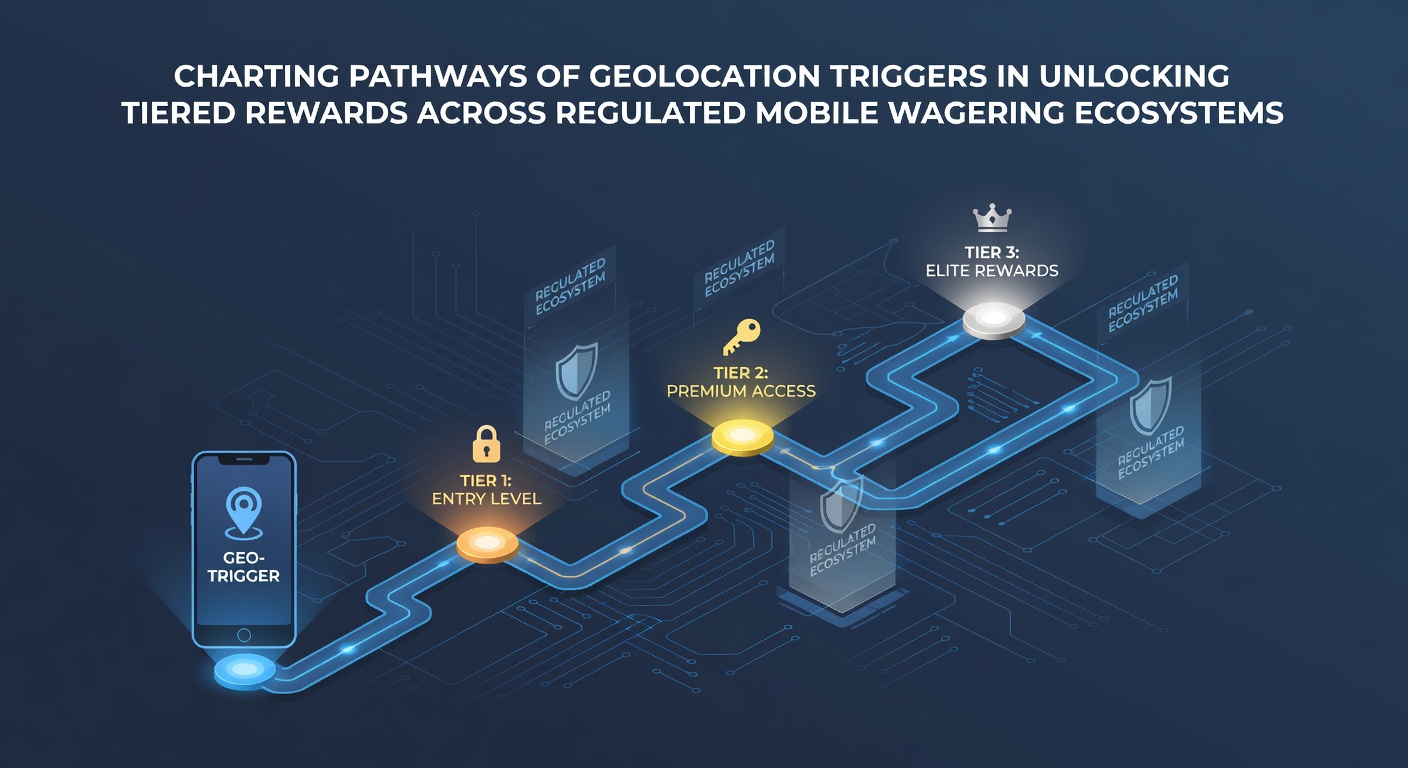
Charting Pathways of Geolocation Triggers in Unlocking Tiered Rewards Across Regulated Mobile Wagering Ecosystems
Geolocation triggers operate as core mechanisms in regulated mobile wagering platforms, where precise location data determines eligibility for tiered reward structures that vary by jurisdiction and compliance status. Systems integrate GPS coordinates, Wi-Fi triangulation, and IP address verification to establish user positions before granting access to promotional layers ranging from basic loyalty points to premium cashback multipliers. Data from multiple state monitoring programs shows these triggers activate differently depending on whether a device registers inside approved boundaries or near restricted zones, which directly affects the speed and scope of reward unlocking sequences.
Technical Pathways Behind Location-Based Tier Activation
Regulated operators deploy multi-layered verification protocols that combine real-time satellite positioning with periodic rechecks every few minutes during active sessions, ensuring continuous compliance while users navigate between reward categories. When a player enters a new geographic segment, the system evaluates proximity to state lines or designated gaming districts, then routes the account toward corresponding incentive brackets such as entry-level deposit matches or elevated withdrawal limits. Observers note that platforms licensed in overlapping markets like New Jersey and Pennsylvania coordinate these pathways through shared databases, allowing seamless transitions when users cross into areas with distinct reward rules.
Developers incorporate fallback mechanisms including cellular tower data and manual address confirmation to maintain accuracy during signal fluctuations, which prevents unintended lockouts from higher-tier benefits. Research conducted by academic groups tracking mobile gaming patterns indicates that refined geofencing algorithms reduce false positives by up to 18 percent compared with earlier single-method approaches, thereby streamlining access to progressive reward ladders.
Regulatory Frameworks Shaping Cross-Jurisdiction Reward Access
State and provincial authorities establish the boundaries that geolocation systems must respect, with each region defining its own criteria for tier progression based on local tax structures and responsible gaming mandates. In markets such as Ontario, iGaming operators must align location triggers with provincial licensing conditions that tie reward tiers to verified residency status, while similar requirements appear in Australian state regulations where geofencing supports differentiated bonus structures for land-based versus digital participants. These frameworks create distinct pathways where a user positioned in one regulated zone might unlock silver-level cashback immediately, whereas the same account in an adjacent territory remains restricted to bronze status until additional verification clears.
Industry reports compiled by the American Gaming Association highlight how operators synchronize geolocation data feeds with regulatory dashboards, enabling automated adjustments to reward availability that reflect real-time policy shifts. Such coordination becomes especially relevant around periods of legislative updates, including anticipated framework reviews scheduled for May 2026 across several North American jurisdictions.
Case Examples of Tier Unlocking in Practice
One documented implementation in a multi-state operator network demonstrates how geolocation triggers route users toward personalized reward sequences based on their detected distance from approved venues. Players located within core operational zones receive accelerated progress toward gold-tier status featuring enhanced free bet allocations, while those detected near buffer areas encounter intermediate verification steps before advancing. Similar patterns surface in European Union member states overseen by bodies like the Malta Gaming Authority, where location pathways integrate with cross-border data sharing agreements to manage tier eligibility for mobile users traveling between compliant regions.
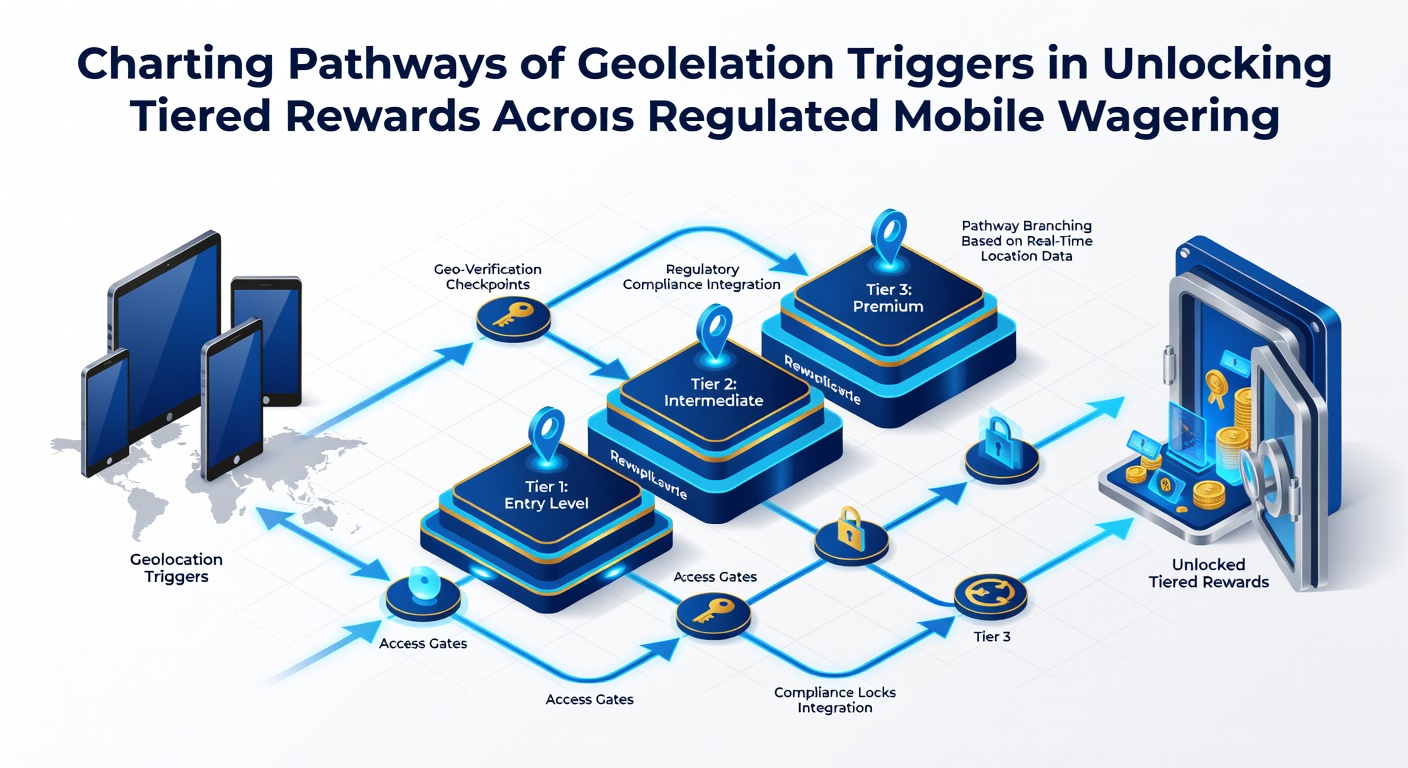
Figures released through regulatory filings reveal that successful tier transitions correlate strongly with consistent location signal strength, prompting operators to invest in hybrid verification tools that blend satellite and network-based inputs. Those who study these systems find that the resulting reward pathways maintain strict separation between tiers to satisfy varying legal standards on promotional inducements.
Integration Challenges and Emerging Solutions
Operators face ongoing demands to refine geolocation accuracy amid expanding 5G coverage and increased device mobility, which can shift users across regulatory lines during single sessions. Solutions under development include predictive mapping that anticipates boundary crossings and pre-loads appropriate reward options, reducing interruptions to tier progression. Data compiled from platform audits shows these enhancements support higher retention within compliant reward ecosystems while preserving the integrity of location-based restrictions.
Academic analyses of wagering technology adoption further indicate that standardized application programming interfaces now facilitate smoother data exchanges between different regulatory zones, allowing consistent tier definitions even as users move through varied geographic segments. This interoperability proves essential for platforms operating across multiple licensed territories where reward structures differ by statute.
Conclusion
Geolocation triggers continue to define how regulated mobile wagering platforms structure access to tiered rewards, with technical and regulatory elements combining to create location-specific pathways. As frameworks evolve through 2026 and beyond, these systems maintain their role in ensuring compliance while delivering differentiated incentive levels based on verified positioning data across diverse ecosystems.